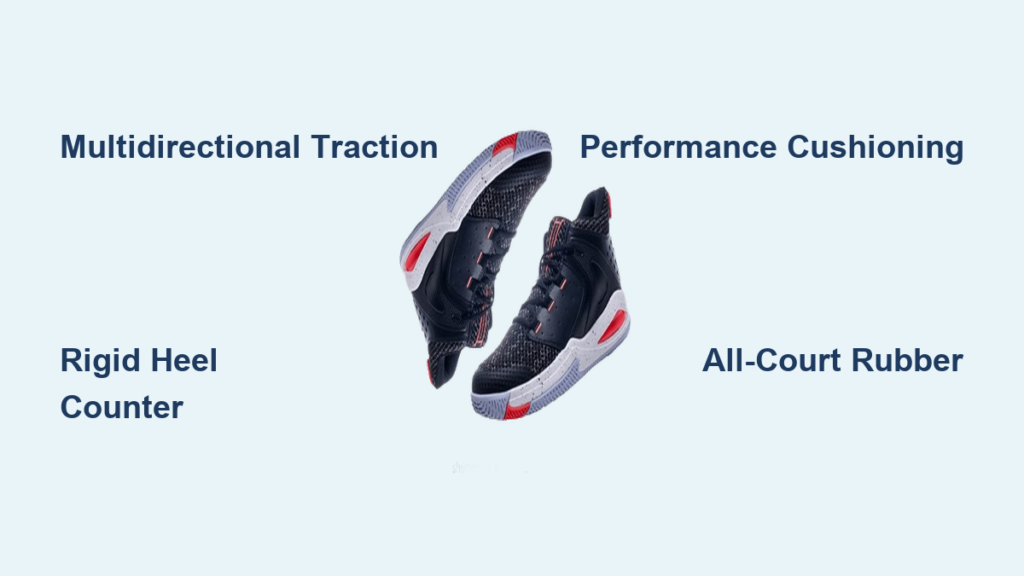
You walk into a sneaker store or scroll through an online listing, surrounded by hundreds of options. Some look sleek, others look sporty, and the price tags range from $80 to $400. But how do you actually know which ones are real basketball shoes versus lifestyle sneakers or running shoes dressed up to look like court footwear? With so many imposters on the market, making the wrong choice can lead to poor performance, injury, and wasted money.
This guide gives you everything you need to spot authentic basketball shoes instantly. You’ll learn to read the anatomy of a shoe, identify performance materials, evaluate traction and cushioning, and match footwear to your position and foot type. By the end, you’ll confidently identify the right basketball shoes whether you’re shopping in-store or browsing online.
Break Down the Shoe Structure
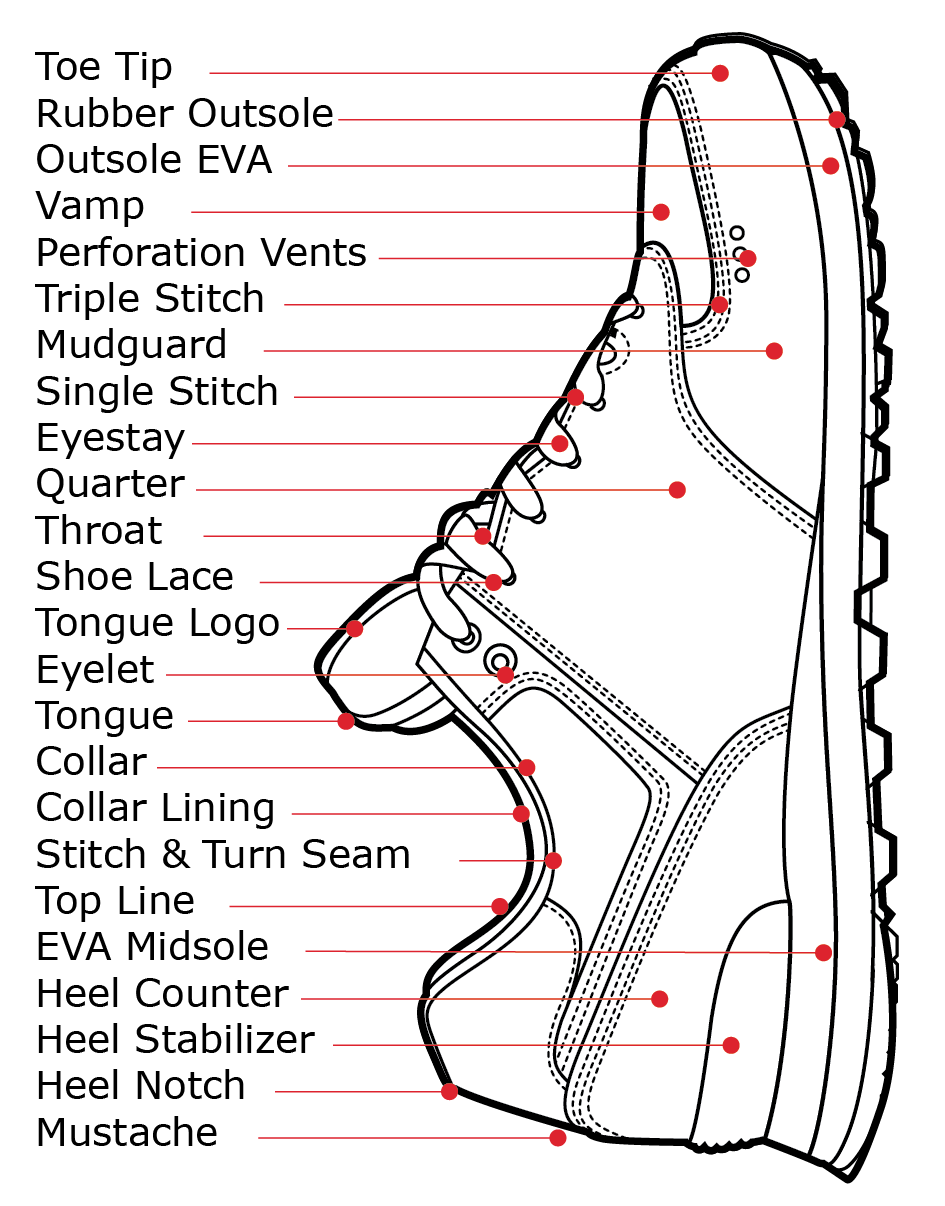
Every basketball shoe has a specific anatomical makeup designed for the demands of the court. Understanding these parts is your first line of defense in identifying real performance footwear.
Know the Key Components
A genuine basketball shoe contains distinct parts that work together for athletic performance. Here are the essential elements to look for:
- Upper: The outer covering of your foot, typically made from synthetic leather, mesh, or knit materials for durability and breathability.
- Midsole: The layer between the upper and outsole that houses cushioning technology like foam, air units, or gel to absorb impact.
- Outsole: The rubber bottom featuring specialized tread patterns designed specifically for grip on hardwood or asphalt.
- Heel Counter: A rigid structure in the rear of the shoe that locks your heel in place and prevents dangerous slippage during lateral movements.
- Shank Plate: A stiff insert, often carbon fiber or plastic, located in the midfoot to prevent twisting and provide torsional stability.
- Collar: The padded area around your ankle. Height varies (low, mid, high) and affects feel rather than actual support capability.
If a shoe lacks a defined midsole, a rigid heel counter, or a performance outsole, it is likely not built for basketball.
Spot the Closure System
The way a shoe secures your foot reveals its performance intent. Basketball shoes typically use one of these systems:
- Traditional lacing that allows for adjustable, snug fit across the entire foot.
- Strategic straps found on models like early Kobe or LeBron editions for extra lockdown.
- Laceless designs paired with internal sleeves or 360-degree containment systems.
Shoes with flimsy laces, minimal upper material, or loose-fitting collars will not handle the quick lateral movements, sudden stops, and explosive jumps basketball requires. These are clear signs the shoe is not built for court performance.
Analyze Materials for Performance Clues
The materials used in a shoe’s construction immediately tell you whether it was built for basketball or simply designed to look like it.
Identify Upper Construction
Run your hands over the upper and examine the construction closely:
- Synthetic leather provides structure and durability, resisting stretch over time. It appears on models requiring strong lateral support.
- Mesh panels offer breathability and flexibility, commonly found on guard-oriented shoes built for speed.
- Knit uppers deliver a sock-like fit with stretch but may lack the lateral support needed for aggressive cuts unless reinforced with overlays.
The best basketball shoes combine materials strategically, using synthetic overlays in high-stress areas while placing mesh where breathability matters most. A shoe made entirely of soft knits without reinforcement likely prioritizes style over performance.
Evaluate Outsole Rubber Type
Press your thumb into the outsole rubber to assess its intended use:
- Soft, sticky rubber indicates indoor court design. It grips polished hardwood but wears quickly on rough concrete.
- Hard, durable rubber signals outdoor readiness. It survives asphalt and concrete but offers less grip on indoor surfaces.
- All-court rubber represents a compromise between the two, suitable for players who play on both surfaces.
If the outsole looks thin, smooth, or almost glossy, the shoe probably was not designed for serious basketball play. Check the edge of the sole; basketball shoes have distinct depth and grooves, not flat surfaces.
Read the Traction Pattern

Traction separates basketball shoes from every other athletic sneaker. Without reliable grip, you cannot cut, pivot, or stop on a dime.
Recognize Common Tread Designs
Flip the shoe over and examine the outsole pattern carefully:
- Herringbone features a zig-zag design that provides multidirectional grip. This classic pattern appears on countless Nike and Adidas models for good reason.
- Hexagonal patterns use geometric shapes to distribute pressure evenly across the foot. Under Armour and Li-Ning frequently employ this design.
- Circular or radial patterns use concentric circles ideal for players who pivot frequently. This design dominates guard-focused shoes like those in the Curry brand line.
Avoid shoes with running shoe-style wavy or curved treads. Those patterns are engineered for forward motion, not the lateral cuts and quick direction changes basketball demands.
Match Traction to Surface
Ask yourself one critical question before buying: where will you play?
- Indoor-only shoes feature shallow tread grooves with soft rubber compounds designed for maximum grip on polished wood floors. Using these outdoors destroys them within weeks.
- Outdoor-ready shoes have deep lugs and harder rubber that withstand rough concrete and asphalt but feel stiff indoors.
- All-court designs balance grip and durability, offering decent performance on both surfaces but excelling at neither.
Never wear indoor-specific shoes for outdoor pickup games. The outsole will wear smooth, traction will vanish, and you will slip dangerously.
Evaluate Cushioning Technology

Cushioning protects your joints from impact and returns energy to help you jump higher and move faster. It is one of the most reliable indicators of a shoe’s performance intent.
Spot Brand-Specific Cushioning
Look for visible or named technology in the midsole area:
- Nike uses Zoom Air (thin and responsive), React (soft and bouncy), or Air Max (visible air bubble) systems.
- Adidas employs Boost (energy-returning foam), Lightstrike Pro (lightweight and resilient), or Dreamstrike (budget-friendly performance foam).
- Under Armour features HOVR (compression foam) or Flow (traction-infused foam that eliminates the rubber outsole entirely).
- Li-Ning and Anta utilize Super Boom or Super Critical Foam, ultra-responsive cushioning found in elite-tier models.
If the midsole appears flat, thin, or completely unmarked, the shoe likely lacks performance-grade cushioning. Low-cost shoes often use basic EVA foam that compresses quickly and provides minimal energy return.
Check for Compression Signs
Press your thumb firmly into the heel and forefoot areas of the midsole:
- A firm, bouncy feel indicates healthy cushioning with remaining life.
- A flat, mushy, or compressed spot means the foam has degraded. This cushioning failure increases injury risk, especially for jumpers and heavier players.
Worn cushioning feels like playing on concrete. Your knees, ankles, and feet will feel the impact with every landing.
Assess Support and Stability Features

Support prevents rolls, keeps your foot centered, and protects against the twisting injuries that end seasons.
Look Beyond Collar Height
A common myth states that high-top shoes prevent ankle sprains. This is false. True support comes from:
- Heel lockdown: Your heel must not slip when walking, running, or cutting.
- Wide base: A broad outsole footprint creates a stable platform that resists rolling.
- Secure midfoot fit: Your foot should not move side to side inside the shoe regardless of collar height.
A loose high-top provides less support than a snug low-top. Focus on fit, not collar height.
Find Structural Reinforcements
Examine the shoe for hidden support features:
- Carbon fiber shank plate: Often visible as a stiff strip in the midfoot that prevents twisting.
- Rigid heel counter: The back of the shoe should not collapse when you pinch it between your fingers.
- Caging systems: Plastic or fiber webbing (like Nike Flywire or Adidas Torsion) that wraps the foot for 360-degree support.
Grasp the shoe with both hands and try to twist it like wringing out a towel. If it twists easily, the shoe lacks torsional rigidity and will not support lateral movements. This simple test identifies weak shoes instantly.
Match Shoes to Player Type
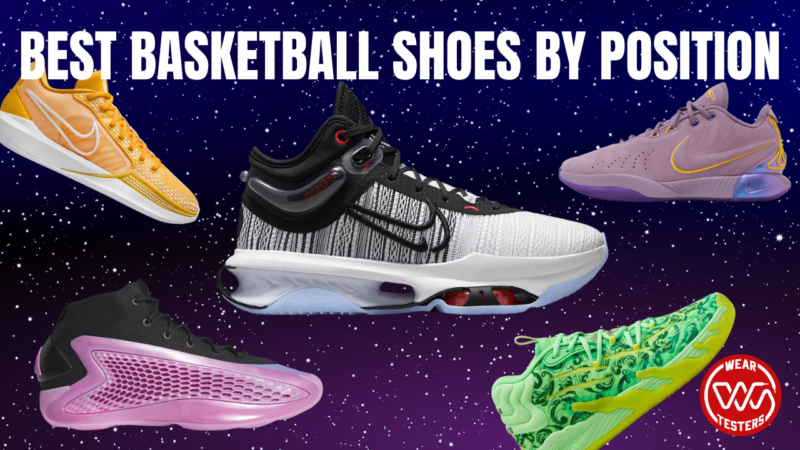
The best basketball shoe fits your position, foot shape, and playing style. Generic recommendations lead to generic performance.
Choose by Position
Guards and quick players need lightweight speed. Look for low-to-the-ground feel, quick responsiveness, and grippy outsoles that enable rapid direction changes. Recommended models include the Curry Series 7, Anta Kai 3, and GT Cut 3. Avoid heavy, cushioned shoes designed for bigger players.
Wings and versatile players want balanced performance. Seek a mix of cushioning, support, and agility with moderate stack height. The KD16, LeBron XXI, and Ja 1 fit this category well.
Big men and centers require maximum protection. Prioritize thick cushioning for impact absorption, durable uppers that withstand dragging, and strong heel counters. Way of Wade 12, Nike Book One, and Adidas Harden 7 deliver the protection heavy players need.
Fit for Foot Shape
Wide feet benefit from sizing up or choosing brands known for roomy fits. New Balance, Way of Wade (except the Encore), and Nike KD 17 offer wider options. Always try shoes at the end of the day when feet swell naturally.
Narrow feet need a snug fit to prevent sliding. Nike Kobe line, Way of Wade Ice Blood 2, and Sabrina 1 run narrower. You may need to size down on long-fitting models.
Flat feet require arch support to prevent overpronation. Look for carbon fiber plates, stiff shanks, or elevated insoles. Nike Book One provides built-in arch support through its elevated insole design.
High arches need extra shock absorption. Thick foam stacks from brands like Adidas (Boost) or Li-Ning (Super Boom) cushion high-impact strikes better than firm or rocker soles.
Use Brand Performance Profiles

Each brand has signature strengths. Learning these patterns helps you identify the right shoe faster.
| Brand | Best For | Key Models | Fit Notes |
|---|---|---|---|
| Way of Wade | Durability, outdoor play | Wade 12, All City 14 | Wide fit; avoid Encore for wide feet |
| Adidas | Consistent fit, bold tech | Harden 7, DON Issue 7 | Harden 8 runs narrow |
| Nike | Legacy, Kobe authenticity | GT Cut 1, Kobe Protro | Varies by model |
| Curry Brand | Indoor traction king | Curry Series 7 | Can tear upper if loose |
| Li-Ning | Elite responsiveness | Gamma 2 | Narrow, expensive |
| Anta | Value, Kyrie lineage | Kai 3, KT 10 | KT 10 needs break-in |
| New Balance | Wide foot comfort | Multiple wide options | Soft, breathable uppers |
| SPO | Explosive feel | Player 1.5 | Kobe 8 Protro successor |
Use this table as a quick reference when shopping. Brands consistently deliver certain characteristics, so knowing what each does well narrows your search immediately.
Test Fit and Sizing Before Buying
Even the most advanced basketball shoe fails if it does not fit your foot properly. Fit testing prevents painful mistakes.
Follow Proper Fitting Rules
When trying on basketball shoes, follow these protocols:
- Time it right: Shop at the end of the day when feet are naturally slightly swollen.
- Wear game socks: Use the exact thickness of socks you will wear during play.
- Check toe space: Your toes need about a thumb’s width of space from the tip of your longest toe to the shoe’s end.
- Walk and cut: Move laterally, jump, and simulate game movements to test lockdown.
A proper fit should feel snug but never painful. Some stiffness is normal for new shoes, but pain is not.
Pass the Heel Slip Test
Stand up and lift your heel slightly off the ground:
- No movement means good heel lock and secure fit.
- Slipping or lifting indicates poor fit that increases injury risk during cuts and jumps.
If the heel slides, try a different size or lacing pattern. Some models simply will not work for your foot shape.
Know When to Size Up or Down
- Wide feet: Size up (for example, a size 13 foot might need size 14 in KD 14).
- Narrow feet: Size down if the model runs long (common with some Adidas Harden models).
- Long toes: Prioritize length over width to prevent toe bruising.
When in doubt, trust how the shoe feels over the number on the label.
Watch for Wear and Replacement Signs
Even the best basketball shoes eventually break down. Knowing when to replace them prevents injury.
Track Usage Time
Replace basketball shoes based on playing frequency:
- 50 to 70 hours of active play is the general guideline.
- 6 to 8 months for regular players who play weekly.
- Professional athletes may go through 50 pairs per season.
If you play multiple times per week, track your hours. A shoe that looks fine visually may have lost its structural integrity.
Identify Critical Wear Points
Stop using shoes immediately if you notice:
- Deep outsole wear, especially on edges where traction matters most.
- Midsole compression where the heel or forefoot feels completely flat.
- Upper tears on the lateral side that compromise support.
- Heel counter damage that moves or clicks when pinched.
- New pain during or after playing that was not present before.
Worn shoes increase ankle sprains, knee pain, and stress fractures. The cost of replacement is far less than medical bills.
Perform the Heel Counter Test
Check structural health with this simple method:
- Pinch the back heel area between your thumb and forefinger.
- A healthy heel counter feels solid and rigid with no give.
- A failing heel counter moves, clicks, or feels soft and collapsed.
Compare the tested shoe against a new shoe of the same model for the most accurate assessment.
Follow Care Best Practices
Proper maintenance extends shoe life and preserves performance characteristics.
Clean Without Damage
Keep your basketball shoes performing their best with correct cleaning:
- Use mild soap mixed with water and a soft cloth or toothbrush.
- Air dry naturally away from direct heat sources.
- Never machine wash shoes or use bleach, as chemicals break down foam and glue.
Heat melts adhesive and compresses foam permanently. Keep shoes away from radiators, dryers, and hot cars.
Rotate and Store Smartly
Extend shoe life through smart habits:
- Rotate pairs if you play frequently, allowing foam to recover between sessions.
- Air out immediately after games to prevent moisture buildup that causes odor and material breakdown.
- Store in a cool, dry place rather than a closed gym bag.
Never leave wet shoes in a closed space. Moisture destroys cushioning and promotes fungal growth.
Respect Surface Rules
The surface you play on determines which shoes you should wear:
- Indoor shoes are designed for hardwood only. The soft rubber grips polished wood but dissolves on concrete.
- Outdoor shoes feature hard rubber that withstands asphalt but feels slick on wood.
- All-court shoes offer compromise but still require monitoring for wear.
Wearing indoor shoes outside ruins the outsole in hours. Check your shoes before every game to ensure they match the surface.
Key Takeaways for Identifying Basketball Shoes
Identifying basketball shoes comes down to understanding function over aesthetics. Look for multidirectional traction patterns like herringbone or hexagonal treads, not the wavy patterns of running shoes. Verify responsive cushioning technology from recognizable brands, not basic flat foam. Check for structural support through rigid heel counters, carbon fiber shank plates, and secure midfoot fit. Finally, match the shoe to your position, foot type, and typical playing surface.
Testing fit before buying and tracking wear over time protects your performance and prevents injury. With these tools, you will always know which shoes belong on the court and which ones belong in a closet.
Frequently Asked Questions About Identifying Basketball Shoes
What makes a shoe a real basketball shoe versus a fake or lifestyle shoe?
Real basketball shoes have specific features designed for the sport: multidirectional traction patterns, performance cushioning in the midsole, structural support like heel counters and shank plates, and court-appropriate outsole rubber. Lifestyle sneakers lack these technical elements and are designed for casual wear rather than athletic performance.
Can I use running shoes for basketball?
Running shoes are not recommended for basketball. They are engineered for forward motion with cushioning optimized for repetitive straight-line impact. Basketball requires lateral stability, quick direction changes, and jumping support that running shoes do not provide. Using running shoes increases your risk of ankle rolls and knee injuries.
Do high-top basketball shoes prevent ankle injuries better than low-top shoes?
No. Research shows collar height does not significantly prevent ankle sprains. True ankle support comes from heel lockdown, a wide base, and secure midfoot fit. A snug low-top often provides better support than a loose high-top.
How can I tell if a basketball shoe is indoor or outdoor specific?
Examine the outsole rubber. Soft, sticky rubber with shallow tread patterns indicates indoor-only design. Harder rubber with deep lugs signals outdoor readiness. All-court shoes feature a balance of both. The product description or packaging usually states the intended surface as well.
How often should I replace my basketball shoes?
Replace basketball shoes every 50 to 70 hours of play or every 6 to 8 months for regular players. Signs of needed replacement include flat cushioning, worn tread, upper tears, heel counter damage, or new pain during play. Playing on worn shoes increases injury risk significantly.