Imagine this: a long ball arcs over the defense, dropping toward you under pressure. You step into it, cushion the fall with your thigh, and roll it perfectly into space. That is the power of a quality first touch. How to settle a soccer ball is the foundation of control, possession, and game intelligence. Whether you are a beginner or advancing your skills, mastering this technique gives you time, space, and confidence in high-pressure moments.
In elite matches, the ball goes airborne over 200 times in 90 minutes. At youth and academy levels, that number jumps to nearly 300. This guide breaks down exactly how to settle a soccer ball using proven methods from top players and coaches so you can trap cleanly, move quickly, and dominate possession.
Read the Ball Early Before You Move
Anticipation separates good players from great ones. Your eyes must work before your body does.
Track the Flight Path Instantly
As soon as the ball leaves the foot or hand, lock onto its trajectory. Ask yourself whether it is high or low, spinning or driven, and where it will land relative to your body. The earlier you read the flight, the sooner you can decide which surface to use and where to direct the ball.
Predict Bounce and Speed
A ball with backspin drops faster and sits down quickly. One with topspin bounces forward aggressively. A knuckling ball moves unpredictably. Use this knowledge to adjust your approach.
Pro Tip: Elite players start moving before the ball peaks. Do not wait for it to fall.
Align Your Body Over the Ball
Your body position determines whether you control the ball or get controlled by it.
Stay Balanced and Centered
Keep your shoulders and hips directly over the expected drop point. Avoid leaning back because this puts you behind the ball and limits movement options. Stay on the balls of your feet with knees slightly bent, ready to react. This athletic stance allows you to absorb impact, cushion the ball, and transition smoothly.
Adjust with Short, Quick Steps
Take small, rapid adjustments in the final seconds before contact. Long strides disrupt balance. Think micro-movements, not lunges.
Visual Cue: If your head is over the ball, your body likely is too.
Choose the Right Trapping Surface
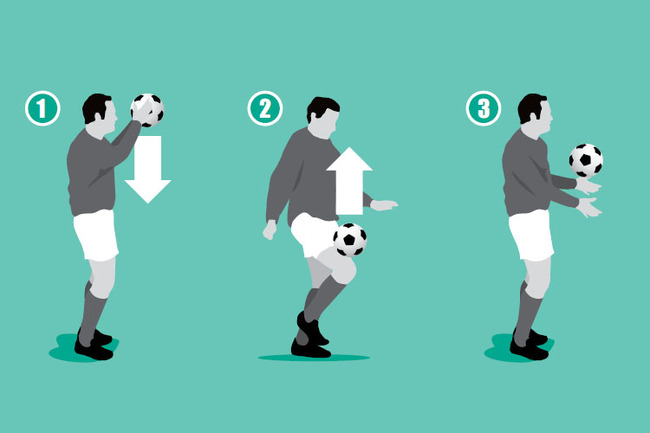
Different heights and situations demand different tools. Know which body part to use and when.
Low Balls: Use Sole or Inside Foot
For balls at ankle to shin height, use the sole control technique. Stamp or roll the bottom of your foot over the top to kill momentum. Alternatively, use inside-foot trap by opening your body and pulling the ball back with the inside of the foot for cushioning. Both are ideal for ground-level passes or balls just before bounce.
Mid-Height Balls: Thigh or Outside Foot
When the ball lands between knee and waist, use thigh trap. Let it hit your thigh, then slightly pull your leg down to guide it to your feet. The outside-foot flick, also known as the Sedan, uses the outer edge to redirect sideways or forward, great for evading pressure.
High Balls: Chest or Over-Shoulder Control
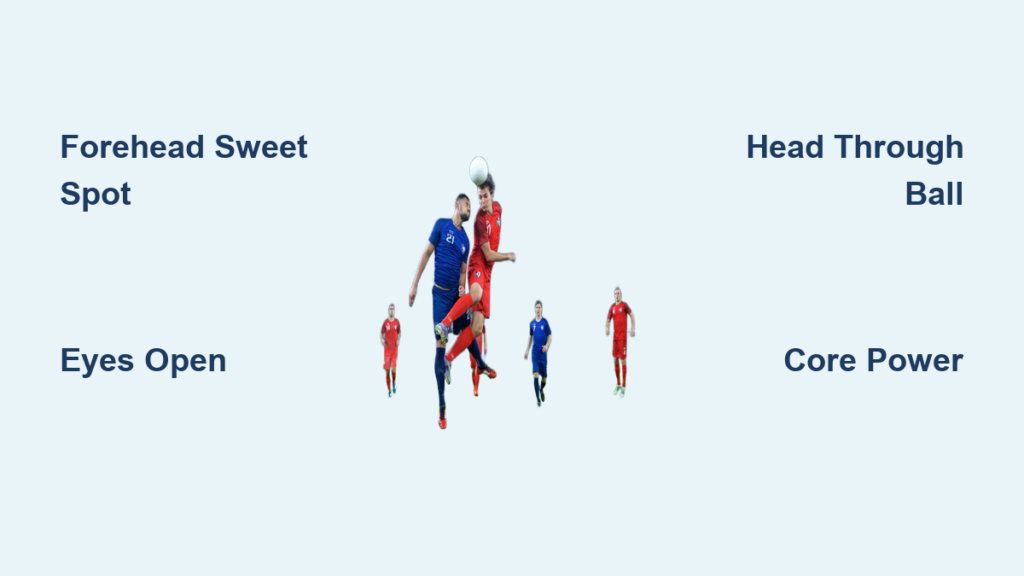
For crosses, goal kicks, or long clearances, use chest trap. Pull your torso back slightly on impact to absorb force and drop the ball to your feet. The over-shoulder laces technique involves pointing toes up and cushioning the ball down behind you, perfect for fast breaks.
Key Insight: Always pick your surface before the ball arrives. No last-second guesses.
Cushion the Impact Every Time
A rigid limb turns the ball into a rebound. A soft touch turns it into possession.
Match the Ball Speed
Do not block the ball. Meet it. On contact, retract slightly by pulling foot, thigh, or chest back to absorb momentum. Lock your ankle when using the foot to stabilize the surface. This give-and-take mimics catching an egg, firm but yielding.
Avoid the Shin Trap
Letting the ball hit your shin or ankle means you were not ready. These hard surfaces send the ball flying. Always present a large, soft target: foot, thigh, or chest.
Warning: A shin touch under pressure often leads to turnover or injury.
Direct the Ball Into Space
The best first touches do not just stop the ball. They start the next action.
Decide Direction Before Contact
Ask yourself where you want to go after you trap. Into open space, away from a defender, or toward a supporting teammate. Then guide the ball there in one motion.
Use Litting or Feather Settle for Evasion
Litting redirects the ball sideways at 90 degrees with the instep as it lands, with no bounce. Feather settle gently drops a high ball onto your foot like a shock absorber. Both are one-touch moves designed to beat defenders without a second touch.
Pro Move: Top wingers use feather settles to receive 30 to 40 yard passes wide and immediately drive forward.
Protect and Shield the Ball
Control means nothing if you lose it immediately.
Turn Your Body to Block Defenders
After trapping, half-turn with your back to the opponent. Use arms legally to maintain space. Keep the ball on the far side of your body. This buys time to assess your next move.
Use Back-Foot Pulls to Create Space
Receive the ball and open your hips. Take a 90-degree touch with the inside of your back foot. Drag it behind you and switch play. This deceptive move fools tight markers and opens passing lanes.
Master Key Drills at Home
You do not need a coach or field to improve. These solo drills build real-game control.
Self-Toss Routine
Toss the ball upward and practice thigh trap to foot control, chest trap to turn and pass, and over-shoulder to immediate dribble. Repeat 10 times per technique. Focus on clean, one-touch outcomes.
Wall Control Drills
Stand 2 to 3 steps from a wall. Throw the ball hard and trap with inside foot, then push through a cone gap. Alternate inside and outside touches to develop deception. Add directional targets to train precision.
Goal: 10 clean reps per side, no second touches.
Circle Drill With Partner
Simulate pressure by standing in a 6 to 8 foot circle while a partner applies light pressure. Have a coach or partner throw aerial balls into the circle. Trap and exit the circle before contact. This builds decision-making under stress.
Avoid Common Mistakes
Even skilled players slip into bad habits. Watch for these errors.
Ball Bounces Away
The cause is a rigid limb with no cushioning. The fix is to pull your foot or thigh back on contact, not block.
Losing Balance
The cause is poor alignment or upright posture. The fix is to bend knees, keep head over the ball, and stay on toes.
Second Touch Required
The cause is no pre-planned direction. The fix is to decide where to go before the ball arrives.
Trapping Into Pressure
The cause is ignoring defender position. The fix is to check surroundings and use outside flick or back-foot pull to evade.
Quick Check: If the ball bounces more than once after your trap, you missed the cushion.
Train for Game Speed and Pressure
Drills are only useful if they mimic real matches.
Add Cognitive Load
Have a coach call out colors or numbers before passing. React by trapping with a specific foot or directing to a zone. This forces quick thinking under pressure.
Small-Sided Games
In 3v3 or 4v4 games, focus on one-touch settling after long balls. Reward clean traps with extra points. Penalize shin touches or loose balls. Turns practice into competition.
Progressive Juggling Flow
Build coordination by trapping ball on thigh, controlling, then moving to foot. Add chest trap, turn, and pass. Combine with movement, stepping, rotating, and changing direction. Develops smooth transitions between body parts.
Build Repetition and Confidence
There are no shortcuts. Mastery comes from volume and focus.
Repetition Targets
Beginners should aim for 50 quality touches per session. Intermediates should reach 100 plus with directional intent. Advanced players should achieve 200 plus under simulated pressure. Track progress weekly.
No-Hands Flow Drill
Perform continuous traps without using hands. Alternate inside foot, outside flick, thigh, chest, and sole. Repeat twice per foot. Eliminate corrections. Every touch must be clean.
Truth: Players like Mia Hamm and Marcelo did not become elite by accident. They trained these skills relentlessly.
Integrate Settling With Passing
A great trap is wasted without a smart next move.
Weighted Passing After Control
Set up cones at 10, 15, and 20 yards. Trap the ball, pass through the gate, and earn 1 point. Miss and lose a point. Reset at 2 points after error. Goal is to score 5 in a row. Elite teams complete this in 13 to 15 seconds. Aim to beat 25.
Short-Short-Long Pattern
Trap the ball between cones, pass to opposite side, backpedal, and trap behind the cone. Mixes movement, control, and rhythm.
Key: The best settlers are also the best passers. Do not isolate skills.
Mastery Checklist for Ball Settling
A player has truly mastered ball settling when they can trap high balls with one touch, control under defender pressure, transition smoothly between body surfaces, direct first touch into space, shield effectively after contact, use all four main techniques, complete possession drills in under 15 seconds, and achieve more than 90 percent clean traps in live play.
If you hit 80 percent on this list, you are playing at an elite level.
Final Takeaways on How to Settle a Soccer Ball
The ground is your ally. Use it to absorb and control. Anticipate early by deciding surface and direction before contact. Cushion every touch by pulling back, not blocking. Direct with purpose and never just take it down. Protect immediately by turning, shielding, and evading. Train deliberately because quality reps beat mindless repetition. Link to next action because settling is the first move of the attack.
Every aerial ball is an opportunity, not a challenge. Practice these techniques daily, focus on clean execution, and you will transform from a chaser into a controller. Whether you are receiving a goal kick or a cross in the box, how to settle a soccer ball will be your silent superpower on the pitch.
Master it, and you will not just keep possession. You will dictate the game.
Frequently Asked Questions About How to Settle a Soccer Ball
What is the best way to settle a high aerial ball?
The best surfaces for high aerial balls are the chest, thigh, and over-shoulder laces. Pull back slightly on impact to cushion the force, then direct the ball into space immediately.
How do I stop the ball from bouncing away after I trap it?
The most common cause is a rigid limb. Pull your foot, thigh, or chest back upon contact to absorb the momentum. Think of it like catching an egg, firm but yielding.
Which foot should I use to settle a low rolling ball?
Use the inside foot or sole of your foot for low balls. Open your body and pull the ball back with the inside of your foot for cushioning, or use the sole to stamp over the top and kill momentum.
How can I protect the ball after settling it?
Turn your body to block defenders with your back facing the opponent. Use your arms legally to maintain space and keep the ball on the far side of your body.
How long does it take to master settling a soccer ball?
Mastery requires hundreds to thousands of repetitions. With deliberate practice focusing on quality touches, most players see significant improvement within weeks, but elite-level consistency takes months of dedicated work.
What is the difference between litting and a feather settle?
Litting redirects the ball sideways at 90 degrees as it lands, perfect for evading pressure. A feather settle gently absorbs a long pass to keep the ball low and controllable, best used in wide areas with time and space.