Nothing kills momentum like a soccer ball that goes flat after two weeks, peels on concrete, or absorbs rain like a sponge. Whether you are a coach managing a youth team, a player training daily, or a parent buying for a growing athlete, selecting a durable soccer ball is essential for consistent performance and long-term value. The wrong choice leads to constant replacements, poor bounce, and frustration on the field. But with the right knowledge, you can pick a ball that withstands rain, rough surfaces, and daily kicks lasting months or even years.
This guide cuts through the marketing and focuses on what actually makes a soccer ball last. You will learn how to spot a ball built to endure, why some $25 models outlast $100 ones, and what certifications truly matter. From cover material to bladder type, every detail impacts durability. By the end, you will know exactly what to look for and what to avoid when buying a soccer ball that will not quit.
Pick the Right Ball for Your Use
Your playing environment determines the ideal balance of performance and toughness. Choosing the wrong type shortens lifespan and wastes money.
Match vs. Training Durability Needs
Match balls prioritize precision and feel over ruggedness. They often use latex bladders and PU covers for superior touch and bounce, but require frequent inflation and degrade faster on rough surfaces. These are best for official games and controlled grass fields.
Training balls are built to survive. They feature TPU covers, butyl bladders, and multi-layer linings to handle concrete, walls, and daily drills. While slightly heavier, they maintain shape and pressure far longer, making them smarter for regular use.
Recreational balls, typically made of PVC with glued seams, are not durable. They deform quickly, absorb water, and lose air fast. Avoid them for anything beyond casual indoor kicks.
When to Choose Each Type
Match play on FIFA-sanctioned fields calls for FIFA Quality Pro or Quality certified balls with thermal bonding. Daily training or school programs need TPU-covered balls with butyl bladders for low maintenance and high resilience. Youth leagues or pickup games benefit from mid-range PU or recycled TPU balls offering the best balance. Wet or rough surfaces always require thermobonded construction to prevent waterlogging.
Choose the Toughest Cover Material

The outer shell takes the most abuse. The right material resists abrasion, UV rays, and weather without sacrificing performance.
TPU: Best All-Around Durability
Thermoplastic Polyurethane, known as TPU, is the top choice for long-lasting soccer balls. It combines rubber-like flexibility with extreme resistance to wear and UV damage. TPU holds its shape on concrete, does not crack in sun, and maintains bounce after months of use.
TPU resists scuffing from walls and asphalt. It is UV-stable and will not degrade in sunlight. The water-repellent surface prevents waterlogging. Many TPU balls are made from recycled plastics, offering eco-friendly benefits without sacrificing durability.
Balls like the Eco Sports Recycled TPU and Nike Academy use this material and last through full seasons of daily training.
PU: Premium Feel, Moderate Toughness
Polyurethane offers a soft, responsive touch favored in match play. It is water-resistant and durable on grass, but less resilient on hard surfaces unless reinforced.
PU is ideal for grass or turf where it provides a softer feel. It can wear faster on concrete and is often labeled synthetic leather. Top models like the adidas Conext League and Select Numero 10 use PU with thermobonding for enhanced durability.
PVC: Avoid for Regular Use
Polyvinyl Chloride is cheap and tough on impact, but it deforms over time, feels stiff, and absorbs heat, leading to inconsistent bounce. It also degrades quickly in sun and cold.
PVC is best only for indoor or beginner use with a short lifespan outdoors. It is not recommended for training or regular play.
Check the Panel Bonding Method
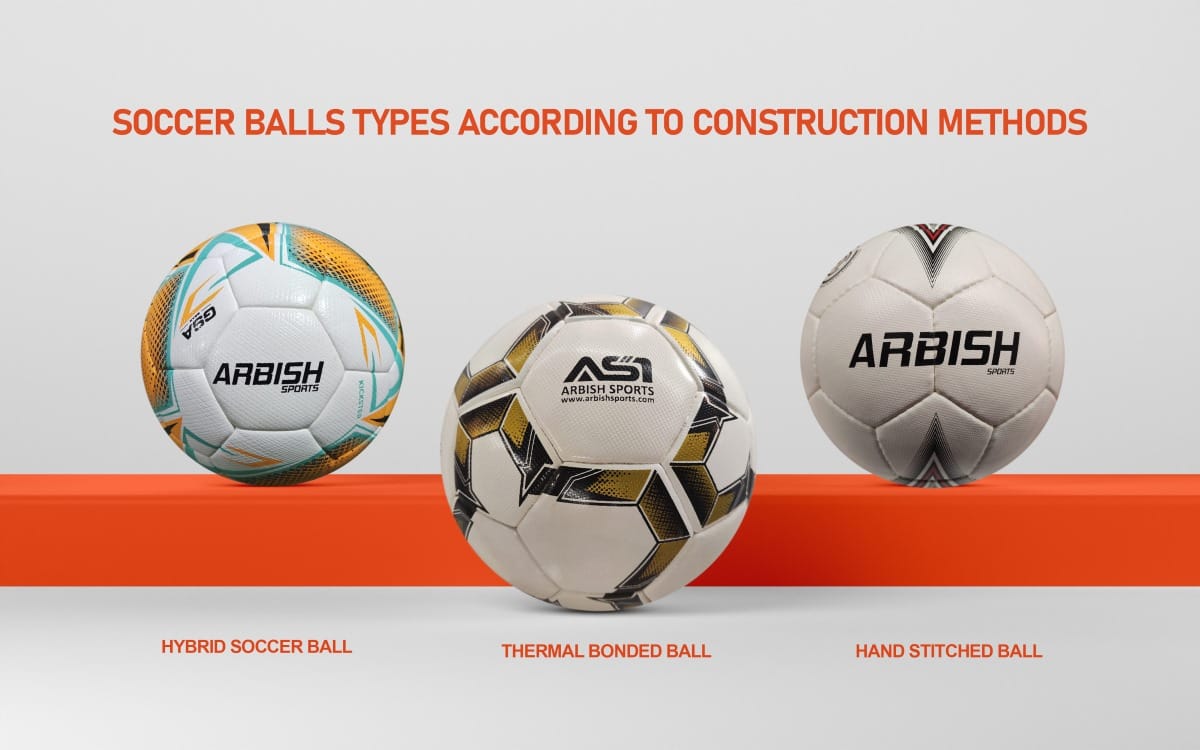
How the ball is assembled determines seam strength, water resistance, and shape retention.
Thermobonded: Seamless and Long-Lasting
Thermal bonding fuses panels using heat and adhesive, eliminating stitches. This creates a smooth, seamless surface that resists water absorption. It maintains perfect roundness, reduces weak points, and improves aerodynamics.
Used in FIFA Quality Pro balls like the adidas MLS Pro 2026, thermobonded balls are ideal for wet conditions and competitive play. The visual clue is simple: no visible stitching means thermobonded.
Hand-Stitched: Durable and Repairable
Hand-stitched balls have strong seams but risk water ingress unless sealed. Look for models where stitching is tucked between layers, protecting threads from abrasion.
Hand-stitched balls are more repairable if punctured and trusted in youth programs. They require drying after wet use. Avoid machine-stitched balls with exposed threads because they wear faster.
Glued Panels: Skip These
Low-cost balls use basic glue to attach panels. These often delaminate after a few weeks, especially when wet.
Inspect Internal Components
Durability is not just skin deep. The bladder and lining determine air retention, bounce consistency, and impact resistance.
Butyl Bladder: Best for Air Retention
Butyl bladders hold pressure for weeks, which is critical for training and low-maintenance use. Air loss is less than 20% over 72 hours. They resist micro-leaks and handle temperature swings better than latex.
Butyl bladders are preferred by coaches for team sets because they require less maintenance. Balls like the Nike Premier League and PUMA Orbita use butyl for reliable performance.
Latex Bladder: High Performance, High Maintenance
Latex bladders offer a livelier bounce and better feel but require inflation every few days. They degrade faster in moisture and heat.
Latex is best for match play where performance is key. It is not ideal for daily training. Combine latex with butyl coating in hybrid models for balance.
Multi-Layer Lining: Prevents Flattening
Reinforced linings absorb impact and maintain shape. One to four layers of polyester, cotton, or foam distribute force evenly and prevent deformation on hard surfaces.
Look for terms like textile backing or reinforced lining. Balls with two or more layers last significantly longer.
Look for Official Durability Certifications
Certifications verify lab-tested performance and longevity. They are the best indicator of real-world durability.
FIFA Quality and Quality Pro
These are the gold standard. FIFA Quality balls pass 16 lab tests including water absorption under 2% weight gain, shape retention after 2,000 impacts, rebound consistency, and air pressure loss. FIFA Quality Pro is the highest tier used in international matches.
Balls with these labels are engineered to last. Examples include adidas Starlancer, PUMA LaLiga, and Senda Apex Match.
NFHS: U.S. Youth Standard
Required for high school play in the United States, NFHS certification ensures minimum safety and durability for competitive youth use.
IMS: Older but Still Relevant
Found on legacy high-end models, IMS indicates above-average build quality even though it has been largely replaced by FIFA classifications.
Match the Ball to Your Playing Surface
A durable ball must survive its environment. Surface and weather dictate material needs.
Concrete and Asphalt: Use TPU
Hard surfaces shred PVC and wear down PU. Only TPU can handle daily wall drills and pavement.
Textured TPU improves grip and resists scuffing and peeling. Models like Nike Academy and Eco Sports Recycled TPU perform well on these surfaces.
Grass and Turf: PU or Hybrid Works
On softer surfaces, PU thermobonded balls perform best. They provide smooth flight and consistent bounce with less abrasion risk.
Wet Conditions: Avoid Stitched Balls
Waterlogged balls become heavy and unplayable. Choose thermobonded construction to prevent water entry. Butyl bladder resists moisture damage. Avoid stitched balls unless seams are sealed.
Sun and Heat: UV-Resistant Materials Only
Prolonged sun cracks PVC and degrades latex. TPU and PU resist UV better. Store balls indoors when not in use. Butyl handles heat expansion better than latex.
Compare Top Durable Models
Real-world feedback confirms which balls last.
The adidas Starlancer Club at $18 features TPU cover with machine-stitched sealed seams and FIFA Quality certification. It lasts a full U12 season with daily use, making it the best budget training ball.
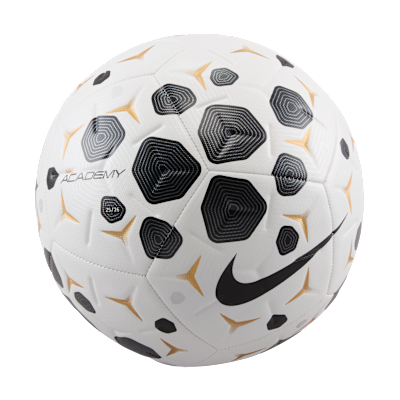
The Nike Academy Series at $32 to $47 uses hybrid PU and TPU with thermobonding, butyl bladder, and multi-layer lining. Users report using it daily for eight months with no issues.
PUMA Orbita Training at $25 has an abrasion-resistant cover and handles concrete without peeling. It is NFHS compliant.
Eco Sports Recycled TPU at $25 is made from post-consumer plastic with thermal bonding and UV resistance. Users say it is as tough as Nike balls but cheaper, making it the best value for teams and schools.
Baden Perfection Thermo at $100 features a multi-layer TPU shell built for extreme conditions. It lasts two or more years in pro camps but is overkill for youth use.
Balance Price and Longevity
You do not need to spend $100 for a long-lasting ball.
In the $10 to $20 range, expect PVC covers and glued panels with a lifespan of weeks to three months. This is suitable only for beginners or giveaways.
In the $25 to $50 range, look for TPU or PU with thermobonded or sealed stitching, butyl bladder, and two or more lining layers. Expect six to 12 months with care. This is ideal for teams, schools, and daily training.
In the $50 to $100 plus range, expect FIFA-certified multi-layer construction used in pro academies. Expect one or more years with maintenance.
Maintain Your Ball to Extend Life
Even the toughest ball fails without care. Proper maintenance doubles or triples lifespan.
Inflate to the Right Pressure
Size 5 balls require 8.5 to 15.6 psi. Use a gauge-equipped pump and check weekly, more often for latex bladders. Under-inflation causes deformation and over-inflation risks bursting.
Store Indoors
Keep balls away from sun, heat, and damp. Do not deflate for storage. Avoid garages and car trunks where temperatures fluctuate.
Clean Properly
Wipe with damp cloth and mild soap. Never submerge or machine wash. Dry completely before storing.
Rotate Balls in Team Settings
Use multiple balls to spread wear. Retire balls with cracks, lumps, or air leaks. Coaches report 10 to 12 month lifespans with rotation.
Choose the Right Size for Longevity
Size affects wall thickness and durability.
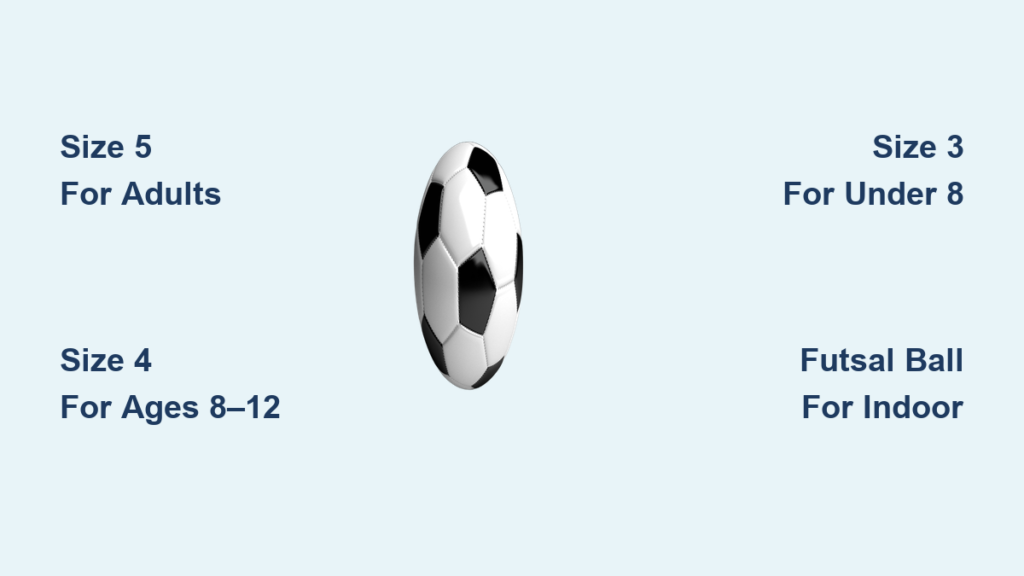
Size 3 is for ages eight and under with lighter, thinner walls. Choose TPU for resilience and avoid PVC.
Size 4 is for ages nine to 12 with balanced durability common in youth leagues. Look for multi-layer lining.
Size 5 is for ages 13 and up with full durability features standard for serious play. All high-end models are Size 5.
Spot Durability by Touch and Look
You can assess quality before buying.
High-durability balls have matte or textured finish, not glossy. Seams should be flush and bonded with no raised edges. If stitched, stitching should be hidden. The feel should be firm at proper inflation with minimal weight change when wet.
Low-durability indicators include glossy PVC surface, exposed threads, mushy or padded feel, and noticeable heaviness after water exposure.
A high-quality ball feels firm and responsive, not soft or spongy.
Final Checklist: Choose a Ball That Lasts
Use this guide to make a smart, durable choice. First, determine your purpose: training, match, or recreation. Second, choose the right cover, avoiding PVC. Third, select thermobonded or sealed hand-stitched construction. Fourth, pick butyl bladder for low maintenance. Fifth, ensure two to four lining layers for impact resistance. Sixth, look for FIFA Quality or NFHS certification. Seventh, consider six to 18 panels for better aerodynamics and seal. Eighth, budget $25 to $50 for best durability value. Finally, commit to weekly checks, proper storage, and rotation.
Frequently Asked Questions About Choosing a Durable Soccer Ball
What is the most durable material for a soccer ball cover?
Thermoplastic Polyurethane, known as TPU, is the most durable cover material. It resists abrasion from concrete and asphalt, UV damage from sunlight, and water absorption. TPU maintains its shape and bounce longer than PVC or standard PU, making it ideal for training and rough surfaces.
How long should a quality training ball last?
A quality training ball with TPU cover and butyl bladder lasts six to 12 months with regular use and proper care. Balls used daily on hard surfaces may need replacement sooner, while balls used primarily on grass can last toward the longer end of this range.
Are expensive soccer balls more durable?
Not necessarily. Expensive match balls prioritize performance features like responsive feel and aerodynamics over ruggedness. Mid-range balls around $25 to $50 often offer better durability-to-cost ratio because they use TPU covers and butyl bladders designed specifically for heavy training use.
What certification should I look for in a durable soccer ball?
Look for FIFA Quality or FIFA Quality Pro certification. These labels verify that the ball passed rigorous lab tests for water absorption, shape retention, and impact resistance. NFHS certification is required for high school play in the United States and ensures basic durability.
Can I use a match ball for training?
You can, but it is not recommended. Match balls use latex bladders requiring frequent inflation and delicate covers that wear quickly on rough surfaces. Training balls with butyl bladders and TPU covers handle daily use much better and maintain performance longer.
Key Takeaways for Choosing a Durable Soccer Ball
Durability is not luck. It is design. The longest-lasting soccer balls combine TPU or PU covers, thermobonded seams, butyl bladders, multi-layer linings, and smart maintenance. Brands like Nike, adidas, and Eco Sports prove that toughness does not require a $100 price tag. Choose a ball with TPU cover if you play on concrete or rough surfaces. Look for butyl bladder if you want to inflate weekly instead of daily. Check for FIFA Quality certification when durability matters. Maintain your ball by storing it indoors, checking pressure weekly, and rotating multiple balls in team settings. Choose wisely, care consistently, and your ball will perform season after season.