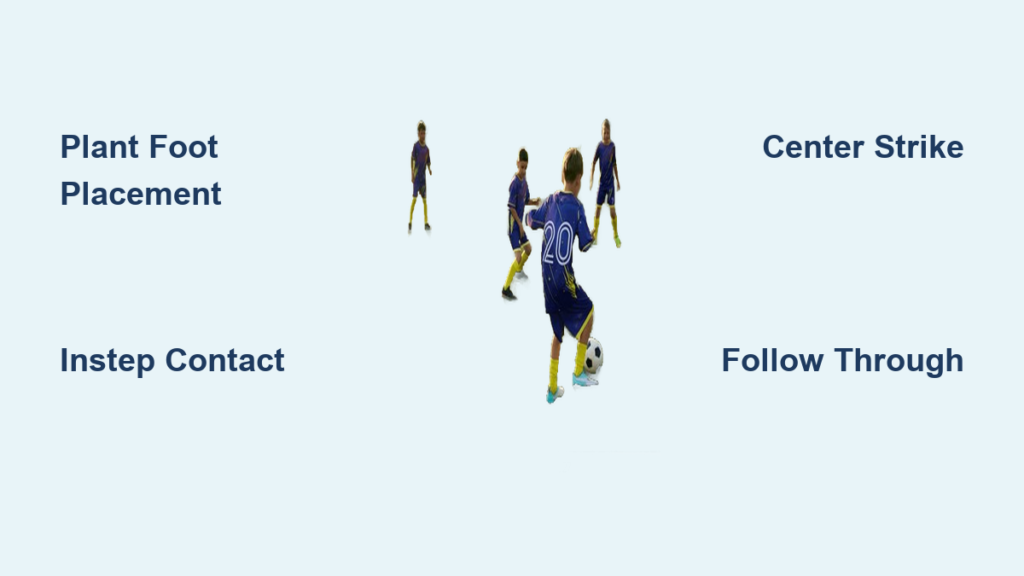
You’re on the field, the ball comes to you, and suddenly all eyes are on where you’ll send it. For beginners, passing can feel overwhelming. Will it go to your teammate or fly out of bounds? The truth is that how to pass a soccer ball for beginners starts with mastering a few key techniques. This skill isn’t about power. It’s about control, accuracy, and timing. A well-placed pass keeps possession, creates opportunities, and builds team chemistry.
Whether you’re just starting out or helping a young player learn, this guide breaks down every step. You’ll learn the correct form, avoid common mistakes, and build habits that lead to real-game success. From foot placement to game-ready drills, you’ll pass with confidence from day one.
Perfect Your Stance and Alignment
Your non-kicking foot is the foundation of every accurate pass. Getting this right first makes everything else easier.
Position the Plant Foot Correctly
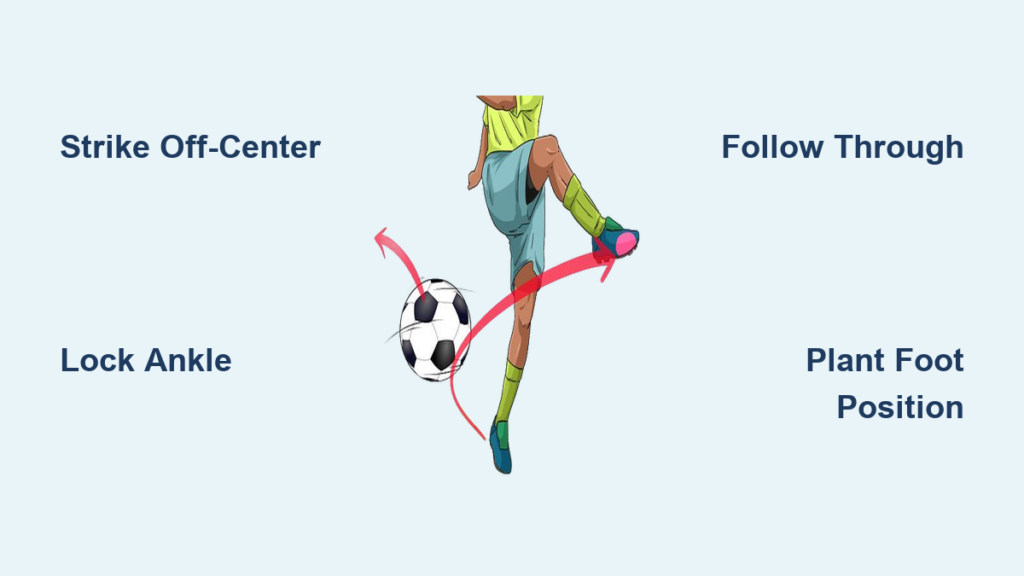
Place your non-kicking (plant) foot slightly behind or beside the ball, about 6 to 12 inches away. Point the toes toward your target. This alignment naturally orients your hips and shoulders in the right direction, setting up a clean, straight pass.
If your plant foot is too close, you risk stubbing your toe or striking the ball awkwardly. If it’s too far, you’ll overextend, lose balance, and misdirect the ball. Think of your plant foot as a compass. It should always point where you want the ball to go.
Align Your Body for Accuracy
Keep your upper body centered over the ball at the moment of contact. Leaning too far back lifts the ball off the ground. Leaning forward throws off your balance and reduces control. Your shoulders, hips, and plant foot should form a straight line aimed at your target.
A helpful trick is to imagine a laser beam shooting from your belly button to your teammate. Your whole body should follow that line. Staying upright and focused helps transfer energy efficiently from your body into the ball, ensuring a smooth, accurate pass.
Use the Right Part of Your Foot
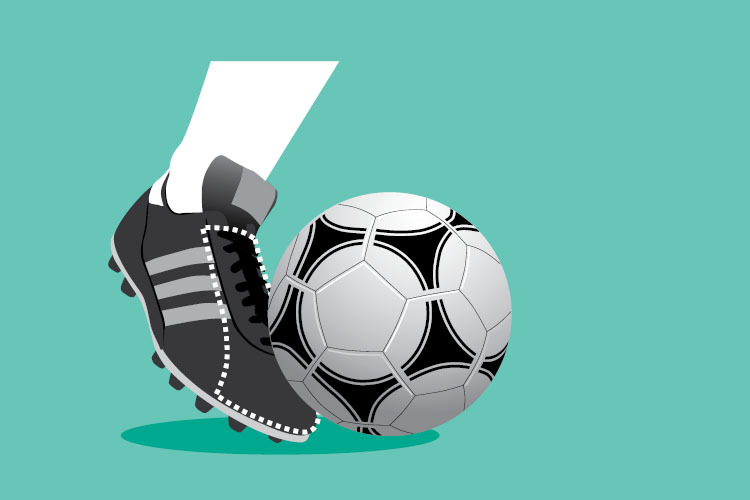
The part of your foot you use to strike the ball makes all the difference in accuracy and safety.
Strike with the Instep
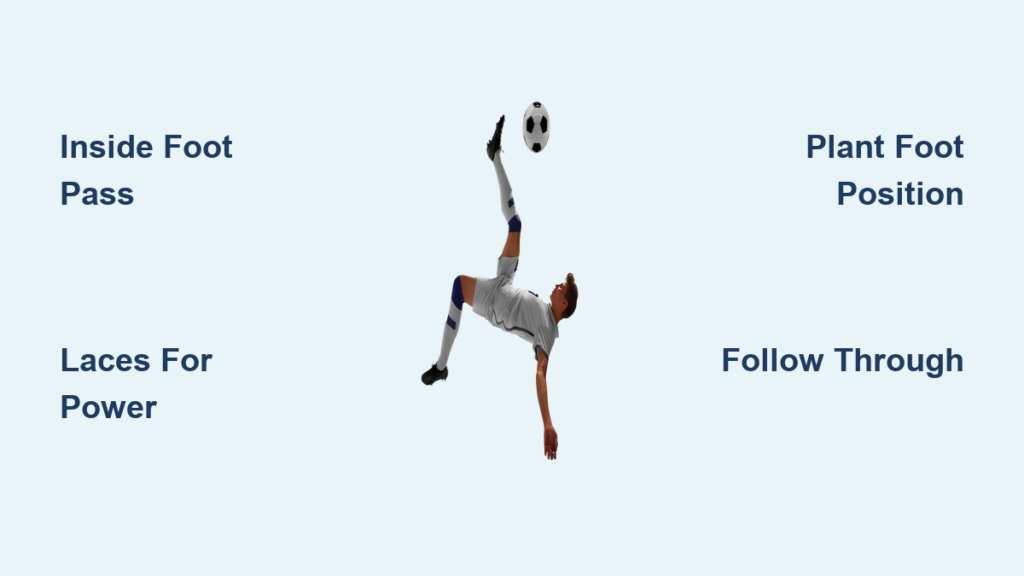
Beginners should always use the inside of your foot, specifically the flat, firm area just above the arch. This is called the instep. This part of the foot offers the largest contact surface, giving you maximum control and precision.
It’s ideal for short to medium-range ground passes, the most common type in beginner play. Avoid using your toes. This leads to inaccuracy and increases the risk of injuries like sprains or fractures. The laces and outside of your foot are better suited for advanced moves. Save those for later.
Lock Your Ankle for Control
To maximize accuracy and prevent injury, lock your ankle before striking. Do this by pulling your toes upward and rotating your foot slightly outward. Right foot rotates right. Left foot rotates left.
A locked ankle creates a solid, stable platform, preventing your foot from collapsing on impact. This simple adjustment makes your pass sharper, safer, and more consistent. Combine this with an open hip, which allows your instep to face the ball squarely, and you’ve built a powerful yet controlled striking base.
Make Clean Contact with the Ball
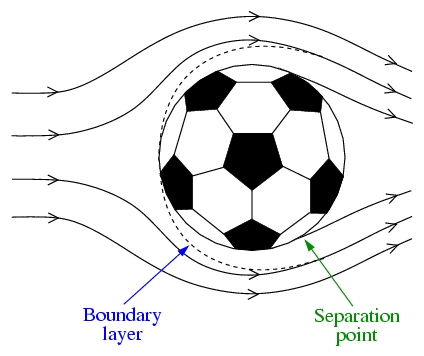
Where and how you strike the ball determines where it goes.
Hit the Center of the Ball
Aim to strike the exact center of the ball, both horizontally and vertically. This ensures a low, rolling pass that stays on the ground and is easy for your teammate to control.
Striking too high causes the ball to bounce. Hitting too low sends it skyward. Off-center contact adds unwanted spin, making the ball curve off course. Focus on clean, centered contact. This is the secret to consistent, predictable passes.
Follow Through Toward the Target
After contact, execute a short, controlled follow-through in the direction of your pass. Think of it as a quick push or snap rather than a long swing. This guides the ball straight and reinforces accuracy.
Avoid sweeping your leg across your body. That introduces spin and pulls the pass off target. A tight, directed follow-through keeps your momentum aligned with your goal. The length of the follow-through should match the distance. Short for close passes, slightly longer for farther ones, but always under control.
Master the Push Pass First
The push pass is your foundation. Master this first before moving to more advanced techniques.
Why the Push Pass Works Best for Beginners
The push pass, also called the inside-of-the-foot pass or direct pass, is the ideal starting point for new players. It uses the instep to deliver a low, accurate ground pass up to 20 yards.
Because it emphasizes control over power, it’s perfect for learning proper technique without injury risk. This pass builds confidence, improves foot-eye coordination, and prepares you for more advanced moves. Every elite passer started here. Your journey begins with mastering this fundamental.
Step-by-Step Push Pass Technique
Follow these steps in order:
- Approach the ball at a slight angle, about 45 degrees.
- Plant your non-kicking foot beside the ball, toes pointing to your target.
- Open your hip slightly to expose the instep.
- Lock your ankle, pull toes up, and rotate foot outward.
- Swing your kicking leg in a controlled motion, striking the center of the ball with the instep.
- Follow through a few inches in the direction of the pass.
- Keep your head up before, during, and after the pass to track your teammate.
Repeat this sequence slowly at first, focusing on form. Speed and power will come with practice. But accuracy comes first.
Start with Two-Touch Passing
Before attempting one-touch passes, build confidence with controlled touches.
Build Confidence with Controlled Touches
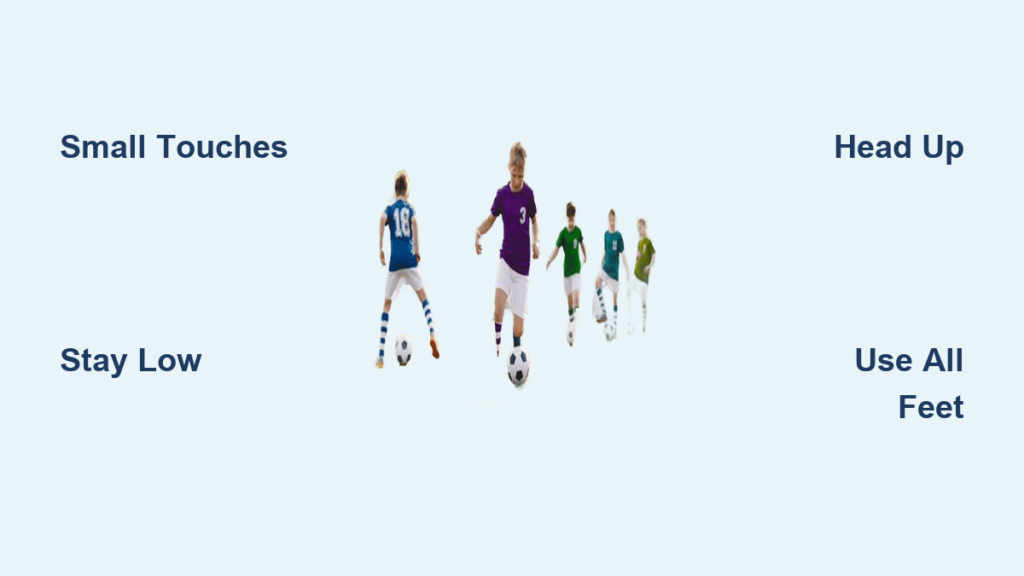
Practice two-touch passing. This means receiving the ball first, then setting up and making your pass on the second touch. It gives you time to assess where your teammate is, adjust your body position, and choose the correct foot and passing strength.
This method reduces pressure and lets you focus on technique. It’s especially helpful when learning to use your weak foot. As your confidence grows, you’ll naturally shorten the time between touches, preparing you for faster-paced play.
Improve Your First Touch
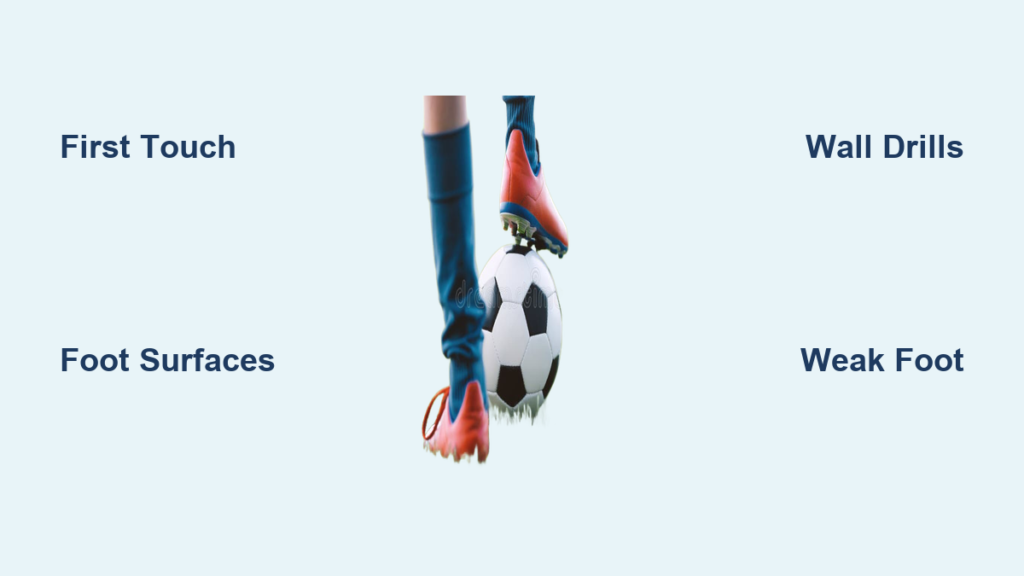
Your first touch is just as important as the pass itself. Never stop the ball completely unless necessary. Instead, use the inside of your foot to cushion and redirect the ball into open space, away from defenders.
A good first touch sets up your next move, whether it’s passing, dribbling, or shooting. Keep your body open to the field so you can see teammates and opponents while receiving the ball.
Progress to Advanced Passing Techniques
Once you’re comfortable with two-touch passing, challenge yourself with more advanced passes.
Try One-Touch Passing When Ready
One-touch passing means passing immediately upon receiving the ball. No controlling first touch. It requires spatial awareness, meaning you know where your teammates are before the ball arrives. You must keep your head up and be ready to strike with the correct foot.
This skill develops quick decision-making and is essential for maintaining fast, fluid play. Start with short distances and a cooperative partner, then gradually increase difficulty.
Learn Lofted and Chip Passes
After mastering ground passes, introduce lofted and chip passes for situations where you need to go over defenders.
Lofted Pass: Strike the lower half of the ball with the front part of your foot, near the big toe knuckle. Lean back slightly and use a scooping motion. Great for longer aerial passes.
Chip Pass: A shorter, higher pass with backspin. Position your plant foot 6 inches behind and 9 inches outside the ball. Use a quick, stabbing motion under the ball with a wedge-shaped foot. Best in tight spaces.
Safety note: Practice these only on grass or soft turf to avoid foot injuries.
Practice with Effective Drills
Consistent practice builds muscle memory. Use these drills to improve.
Wall Passing for Solo Training
You don’t need a partner to improve. Use a wall passing drill:
- Stand 5 to 10 feet from a wall.
- Pass the ball against it using your instep.
- Control the rebound with your first touch, then pass again.
- Focus on clean contact and consistent placement.
As you improve, increase distance, alternate feet, and try one-touch returns. This drill builds repetition, accuracy, and weak-foot control, all on your own schedule.
Partner Passing Drills
Start static partner passing at 5 yards apart. Focus on accurate foot placement, proper follow-through, and consistent ball speed.
Gradually increase distance to 15 or more yards. Add variations like two-touch passes, one-touch passes, and passing while turning. This mimics real-game movement and improves timing.
Cone-Based Movement Drills
Set up cones in a square or line to simulate game motion. Pass to a partner, then move to a cone. The receiver controls and passes to your new position. Repeat in different directions.
This builds passing on the move, a crucial skill for real matches.
Avoid Common Beginner Mistakes
Knowing what not to do saves you time and frustration.
Kicking with Toes
One of the most common and dangerous mistakes is kicking with the toes. This causes inaccuracy and increases injury risk. Always use the instep, not the toes.
If you catch yourself doing it, stop and reset. Reposition your plant foot, lock your ankle, and strike with the inside of your foot.
Striking Too High or Too Low
Hitting the ball too high makes it bounce. Too low sends it airborne. Strike the center for a clean roll. If the ball keeps popping up, check your body position. Don’t lean back.
Poor Follow-Through
A weak or sideways follow-through leads to short, inaccurate passes. Push through the ball and follow through in the direction of your target. This adds control and ensures the ball travels where you intend.
Build Game Intelligence and Awareness
Great passing isn’t just about technique. It’s about seeing the game.
Know Where to Pass
Don’t just pass to a teammate. Pass to their open foot, the one farthest from the defender. This reduces the chance of interception.
If they’re facing forward, pass to their right foot to help them attack. If they need to turn, aim for the left.
Pass Ahead of Moving Teammates
When a teammate is running, pass into the space ahead of them, not at their feet. This lets them run onto the ball and maintain momentum. Perfect for fast breaks and counterattacks.
Communicate with Teammates
Use verbal calls like “I’m open!” or hand signals to coordinate passes. Especially for one-two passes, a simple nod or tap can signal your intent.
Even if you don’t speak, scanning the field before receiving the ball shows awareness and helps you decide your next move instantly.
Train for Weak-Foot Mastery
Being one-footed limits your options. Start developing your non-dominant foot early.
Dedicate Time to Your Non-Dominant Foot
Practice with your weak foot starting at short distances, around 5 yards. Focus on form, not power. Use wall or partner drills daily.
Your goal is to achieve 70 to 80 percent of your dominant foot’s accuracy with your weak foot. This makes you unpredictable and more effective under pressure.
Stay Safe and Prevent Injury
Protect yourself while you learn.
Wear Proper Gear
Always play with soccer cleats for grip and shinguards for protection. These reduce the risk of slips, falls, and leg injuries during drills and games.
Avoid Risky Techniques Early
Never attempt chip or lofted passes on hard surfaces. Grass or turf only. And never kick with your toes. This can lead to sprains, fractures, or contusions. Stick to safe, controlled techniques until your skills advance.
Warm Up Before Practice
Dynamic stretches and light jogging prepare your muscles and joints for passing drills. This reduces strain and improves performance.
Key Takeaways for Passing Success
Use this summary as your quick reference:
• Plant foot: Place 6 to 12 inches from ball, toes pointing to target
• Kicking foot: Use instep, avoid toes
• Ankle: Lock by pulling toes up and rotating foot outward
• Body position: Stay over the ball, don’t lean back
• Contact point: Strike the center of the ball
• Follow-through: Short, controlled motion toward target
• Best pass to start: Push pass (inside-of-the-foot)
• Practice priority: Accuracy, repetition, weak foot, consistency
Frequently Asked Questions About Passing a Soccer Ball
What is the easiest pass for beginners to learn?
The push pass, also called the inside-of-the-foot pass, is the easiest for beginners. It uses the largest surface area of your foot for maximum control. Practice this first before moving to more advanced techniques.
Which part of the foot should I use to pass a soccer ball?
Use the instep, which is the flat area on the inside of your foot just above the arch. This provides the best control and accuracy for ground passes. Never use your toes, as this causes inaccuracy and increases injury risk.
How can I improve my passing accuracy quickly?
Focus on repetition and form rather than power. Practice daily with wall drills or a partner. Pay attention to your plant foot placement and follow-through. Hundreds of quality repetitions build muscle memory faster than rushed passes.
Why does my pass keep going in the wrong direction?
This usually stems from incorrect plant foot placement. Make sure your non-kicking foot points toward your target. Also check that you’re striking the center of the ball and following through in the correct direction.
Should I practice passing with my weak foot?
Yes. Dedicate at least 30 percent of your practice time to your weak foot. Start at short distances and focus on form. Achieving 70 to 80 percent of your dominant foot’s accuracy makes you a more complete player.
How do I pass the ball to a moving teammate?
Pass into the space ahead of them, not directly at their feet. This allows them to run onto the ball and maintain momentum. It’s perfect for fast breaks and counterattacks.
Final Thoughts on Mastering Soccer Passing
Passing is more than a physical skill. It’s a smart, strategic choice. The best players don’t just pass well. They see the game before it happens. But vision starts with technique.
By mastering the push pass, aligning your body correctly, and practicing consistently, you’ll lay the foundation for real soccer intelligence. Start small, focus on form, and pass often. Accuracy beats power every time.
Over time, your confidence, accuracy, and game awareness will grow. This turns you from a beginner into a reliable teammate on the field. The journey begins with repetition, attention to detail, and a commitment to continuous improvement.