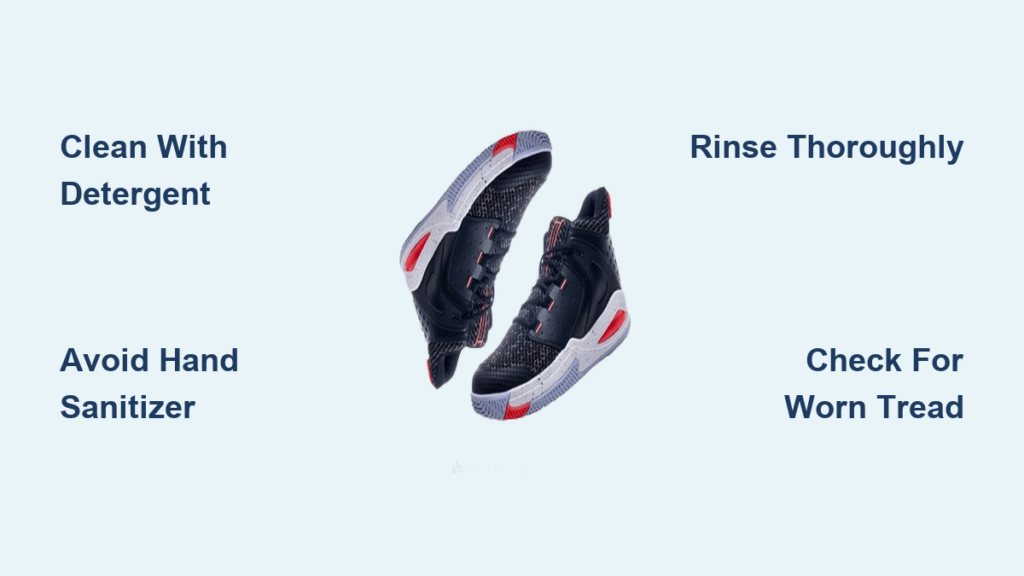
If you have ever slipped during a game despite wearing high-performance basketball shoes, dirty soles are likely the culprit. Over time, basketball shoe traction fades not because the rubber wears out overnight, but because dust, sweat, and oily residues build up on the outsole, creating a slick barrier between your shoe and the court. The good news is that most grip loss is reversible with proper cleaning. This guide reveals the science-backed method to restore sticky traction using simple household items. You will learn how to deep-clean soles, avoid common mistakes like using hand sanitizer, and maintain grip long-term so your shoes perform like new, game after game.
Why Basketball Shoe Traction Fades
Tread Clogged With Dust and Oil
Dirt and gym floor debris act like tiny ball bearings under your feet, reducing friction with every step. Even the best rubber compound cannot grip if the tread pattern is packed with grime. Indoors, sweat and skin oils mix with fine dust to form a sticky film that dulls the outsole’s natural tackiness. This buildup is especially common in high-wear zones like the ball of the foot and heel, where cutting and pivoting happen most.
Rubber Deteriorates From Harsh Cleaners
Many players turn to hand sanitizer or hair spray for a quick fix, not realizing these alcohol-based products dry out rubber. Over time, this causes micro-cracks and hardening, permanently reducing elasticity and grip. Once the rubber degrades, no amount of cleaning will bring it back. Prevention is key.
Flat Soles Cannot Be Restored
If the herringbone or hexagonal tread pattern has worn down to a smooth, shiny surface, cleaning will not help. Physical wear means replacement, not restoration. But if the tread is still visible, cleaning can revive 80 to 90 percent of original grip.
Best Cleaning Method for Maximum Traction

Use Warm Water and Laundry Detergent
The most effective way to clean basketball shoe traction is with warm water and laundry detergent, specifically Tide pods or liquid. Unlike dish soap, laundry detergent contains powerful surfactants that break down oily residues deep in the tread. Warm water helps dissolve the detergent faster and boosts its cleaning power by softening grime.
What You Will Need
- One Tide pod or a few drops of liquid laundry detergent
- Warm water, approximately three-quarters cup
- Soft-bristled toothbrush
- Microfiber cloth or paper towel
- Cotton swabs for tight crevices
Scrub Soles With a Toothbrush
Dip the toothbrush into the soapy solution and scrub the entire outsole. Focus on the ball of the foot, the heel, and the tread grooves including herringbone or hexagonal patterns. Use firm, circular motions to agitate the rubber and lift embedded particles. Spend 2 to 3 minutes per shoe. You will see dark residue appear. This is the buildup coming off.
Rinse and Dry Properly
Wipe soles with a damp cloth or rinse under cold water to remove all soap. Residual detergent leaves a slippery film, so rinse thoroughly until no suds remain. Pat dry with a towel, then let shoes air dry at room temperature. Avoid heat sources because they warp glue and materials.
Full Shoe Cleaning Steps
Remove Laces and Insoles
Take out laces and insoles before cleaning. Wash laces separately in soapy water. Clean insoles with a damp cloth and let them dry fully. This prevents odor and maintains shoe shape.
Clean Uppers With Mild Soap
Mix warm water with a few drops of dish soap. Use a sponge or soft brush to gently scrub the upper material. For leather shoes, use a specialty leather cleaner instead. Avoid soaking the fabric because excess water weakens adhesives.
Treat Stubborn Stains With Baking Soda
Make a paste with baking soda and water. Apply to stained areas, wait 10 to 15 minutes, then scrub lightly and wipe clean. Baking soda lifts stains and neutralizes odors without damaging fabric.
Wipe Midsoles and Seams
Use cotton swabs dipped in soapy water to clean narrow gaps between the midsole and upper. Dirt here can loosen bonds over time. A clean seam means longer-lasting shoes.
Quick Fixes for In-Game Traction

Wipe Soles With Water
During timeouts or halftime, dampen a towel and wipe both soles. Even plain water removes surface dust and restores temporary grip. It is a fast, no-risk method used by professionals.
Use a Sticky Mat
Rub your soles on an official sticky mat if available. These mats are designed to pull off debris and leave a tacky residue. Keep one on the bench for quick access.
Avoid Hand Sanitizer and Hair Spray
While popular, hand sanitizer and hair spray damage rubber due to high alcohol content. They may feel sticky at first, but over time they dry out the sole, leading to cracks and permanent grip loss. Skip the shortcut and protect your investment.
Prevent Traction Loss With Smart Habits
Never Wear Indoor Shoes Outside
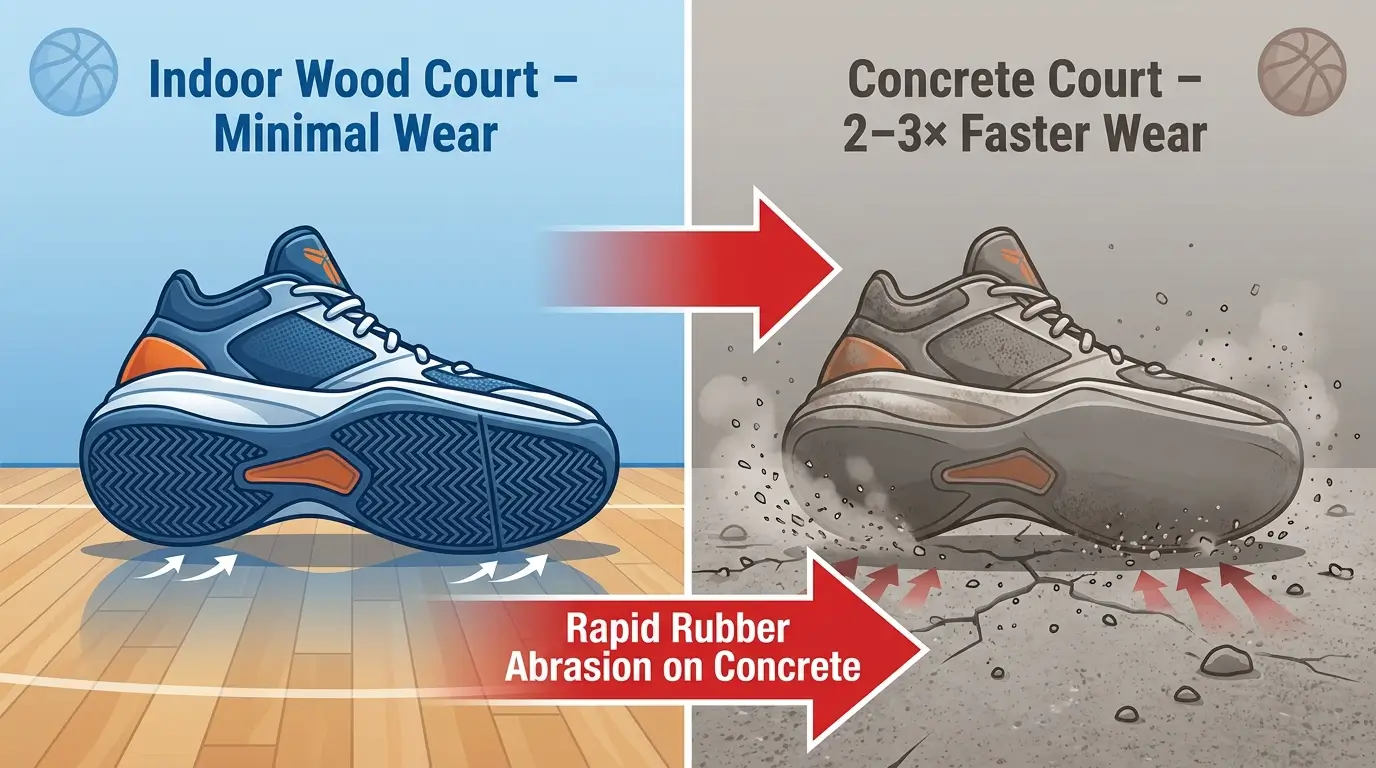
Asphalt and concrete grind down tread patterns fast. Once the rubber is flat, no cleaning can restore mechanical grip. Reserve indoor shoes for hardwood courts only. Use durable outdoor models for street play.
Rotate Between Multiple Pairs
Switching shoes every few games reduces daily wear and extends traction life. It also gives each pair time to air out, preventing odor and material fatigue.
Store Shoes Correctly
Never toss damp shoes into a gym bag. Moisture breeds bacteria and deforms the shape. After playing, stuff shoes with paper towels or shoe trees and let them dry in a ventilated area. Once dry, store in a shoebox to block dust.
When to Replace, Not Clean
Check for Flat or Shiny Soles
Inspect the outsole regularly. If the tread looks smooth or reflective under light, it is worn out. Cleaning will not restore lost texture. Replace the shoes.
Look for Glue Separation
If the sole is peeling from the upper, the shoe’s structural integrity is compromised. Continued use risks injury. Stop wearing and replace immediately.
Monitor Performance and Comfort
Even with clean soles, if you feel less stable during cuts or landings, the cushioning or support may be degraded. High-mileage players should replace shoes every 3 to 6 months depending on play frequency.
Specialty Products That Work

Try Grip Spritz Spray
Grip Spritz is a safe, alcohol-free spray that cleans and rejuvenates rubber in one step. It lasts about one full game and is ideal for pre-game prep. Spray, wipe, and play. No residue, no damage.
Use Traction Gels Sparingly
Some gels add temporary stickiness, but overuse attracts more dust and leads to buildup. Use only when needed and clean thoroughly afterward. Always test on a small area first.
Troubleshooting Common Issues
Soles Still Slippery After Cleaning
You likely left soap residue. Rinse again with cold water and wipe with a damp microfiber cloth until completely clean. Dry fully before testing grip.
Cracked or Hard Soles
This is caused by repeated use of alcohol-based cleaners. Stop using hand sanitizer. Switch to water and detergent, but know that damage may already be permanent.
Shoes Smell Bad
Odor comes from storing wet shoes. Remove insoles to dry separately. Sprinkle baking soda inside overnight or use odor-absorbing inserts.
Glue Coming Apart
This results from machine washing or drying near heat. Never put basketball shoes in the washer or near radiators. Air dry only at room temperature.
Key Takeaways for Cleaning Basketball Shoe Traction
Cleaning basketball shoe traction is not complicated. It is consistent. Use warm water and laundry detergent to scrub soles, avoid alcohol-based products, and never wear indoor shoes outdoors. Wipe soles before every game, deep clean weekly, and replace shoes when tread wears flat. With this routine, your shoes will deliver reliable grip, reduce injury risk, and last significantly longer. Traction starts with clean rubber. Make it part of your game-day ritual.
Frequently Asked Questions About Cleaning Basketball Shoe Traction
What is the best way to clean basketball shoe traction at home?
The best method is using warm water and laundry detergent, specifically Tide pods or liquid. Dip a soft-bristled toothbrush in the solution, scrub the entire outsole focusing on tread grooves and high-wear areas, then rinse thoroughly with cold water and air dry. This breaks down oily residues that dull grip without damaging rubber.
Does hand sanitizer ruin basketball shoe soles?
Yes, hand sanitizer damages basketball shoe soles. It contains high alcohol content that dries out rubber, causing micro-cracks and permanent grip loss. While it may feel sticky temporarily, the long-term damage is irreversible. Avoid using hand sanitizer on outsoles.
How often should I clean my basketball shoe soles?
For optimal traction, clean the soles before every game or after long practice sessions. This prevents grime buildup that becomes harder to remove over time. A quick water wipe before each game combined with a deep clean weekly will maintain maximum grip.
Can cleaning restore worn-out basketball shoe traction?
Cleaning can only restore traction lost to dirt and residue buildup. If the tread pattern is physically worn flat or shiny from outdoor use on asphalt, cleaning will not help. In this case, the shoes must be replaced. Check if the herringbone pattern is still visible. If it is, cleaning can revive 80 to 90 percent of original grip.
Why do my basketball shoes still slip after cleaning?
Slippery shoes after cleaning usually mean soap residue remains on the soles. Rinse thoroughly with cold water and wipe with a damp microfiber cloth until no suds remain. Allow shoes to dry completely before testing grip. Also verify the court surface is not excessively dusty.