
Imagine sprinting into space as a ball arcs toward you from midfield. A defender is closing fast. If you trap it cleanly, you create time to turn and attack. But if you miscontrol it, the chance vanishes. That moment hinges on one skill: how to receive a soccer ball in the air. This fundamental separates good players from elite ones because a properly executed aerial reception lets you stop the ball before it bounces, maintain momentum, and transition smoothly into dribbling, passing, or shooting.
In this guide, you will learn step-by-step methods for chest, thigh, foot, and head control, discover how to avoid common mistakes, train with effective drills, and apply these skills in real-game situations.
Align Early with the Ball’s Path
Track the Passer and Ball Visually
Your eyes are your first tool. From the moment the ball leaves the passer’s foot, lock onto its trajectory. Watch both the passer’s body angle and the flight path to predict where it will land. Elite players scan early, identifying whether they need to move forward, backward, or laterally. Do not wait until the ball is overhead. Adjust your position while it is still in the air.
Use Baby Steps for Micro-Adjustments
As the ball flies toward you, use continuous small steps to stay perfectly aligned. These tiny adjustments keep your shoulders and hips over the ball, which is critical for balance and control. Avoid large, lunging strides that throw you off balance. Instead, stay light on your feet, knees slightly bent, weight on the balls of your feet.
Adjust Movement Based on Pass Type
Not all aerial balls require the same approach. Adapt your movement to the pass type:
• Lateral aerial pass: Shift side-to-side to intercept cleanly
• High lofted pass: Drop back slightly to create space and time to use your chest or thigh
• Short, low aerial pass: Step forward quickly to catch it before the bounce
Anticipating the pass type helps you choose the right receiving surface and body position early.
Choose the Right Surface Early
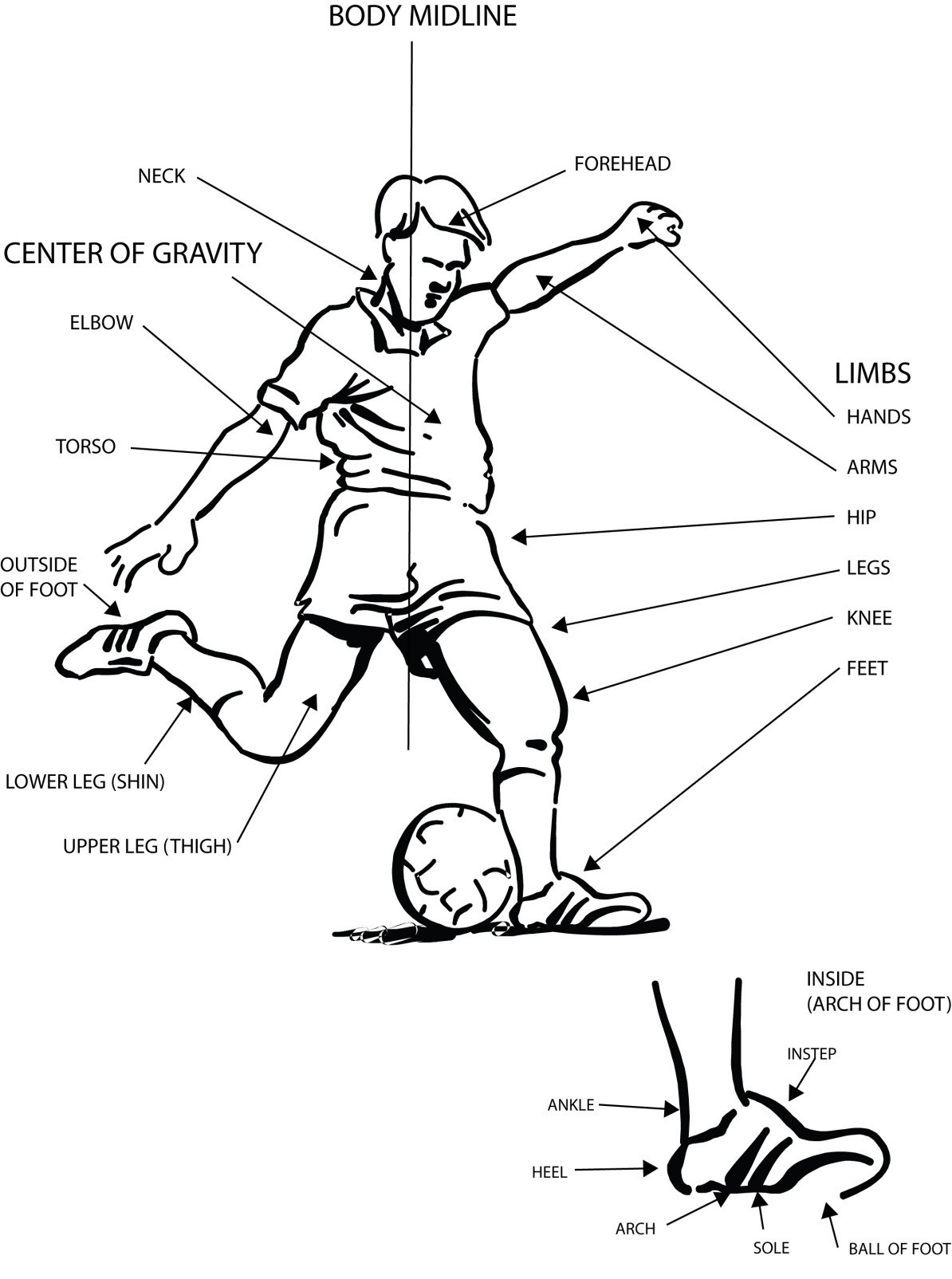
Commit to Chest, Thigh, or Foot Before Contact
One of the most common errors is last-second indecision. By the time the ball is descending, you must already know which body part you will use. Hesitation leads to stiff, uncontrolled touches. Top players make this decision as the ball is being passed, giving them time to prepare their posture and relax the receiving limb.
Match Body Part to Ball Height
Use this guide to match surface to height:
| Ball Height | Recommended Surface |
|---|---|
| Above chest | Head (controlled reception) |
| Chest to waist | Chest or thigh |
| Waist to knee | Thigh or foot (laces/sole) |
| Near ground | Sole of foot |
The thigh is often the most reliable due to its large surface area and stability. But the laces offer the fastest transition when used correctly, especially in tight spaces.
Control with the Chest
Absorb High Balls Using the Lower Chest
When a ball drops from above waist level, use your chest to cushion it down to your feet. Position yourself so the ball will hit the center of your chest, just below the collarbone. As contact nears, arch your back slightly and then roll forward, letting the ball roll down your torso. This motion absorbs speed and directs the ball gently to the ground.
Avoid standing straight up. This causes the ball to rebound away from you. Instead, bend your knees slightly and lean back just before impact, then follow through by bringing your upper body forward.
Trap the Ball at Your Feet Immediately
Once the ball rolls down your chest, be ready with the sole of your foot to stop it. The sequence should be: chest to foot to control. After trapping, pivot or pass immediately depending on defender positioning. Practice this flow until it becomes instinctive.
Trap with the Thigh
Raise a Relaxed Thigh to Stop Mid-Air Balls
For balls arriving at hip or waist height, the thigh is your best option. Lift your preferred leg so the top of the thigh is parallel to the ground. Keep the leg slightly bent and relaxed. Tension causes the ball to pop up unpredictably. Meet the ball with a soft, downward-tilting motion and let it land softly in front of you.
Use the Thigh to Flick or Redirect
Advanced players use the thigh not just to trap but to flick the ball up for a volley or to evade pressure. This requires precise timing and a quick snap of the leg upon contact. In tight spaces, a well-timed thigh flick can buy you a split-second to turn or pass.
Master the Elevator Technique with Your Foot
Cushion the Ball with the Laces
The elevator technique uses the laces of your foot to softly receive a dropping ball and bring it under immediate control. It is ideal when you want the fastest possible transition into dribbling or passing.
Here is the sequence:
- Raise your foot to meet the ball
- Cushion the impact with a soft touch using the laces
- Drop your foot downward as the ball lands, absorbing its speed
- Let the ball settle right at your feet, ready to go
Avoid Over-Extending or Stiff Contact
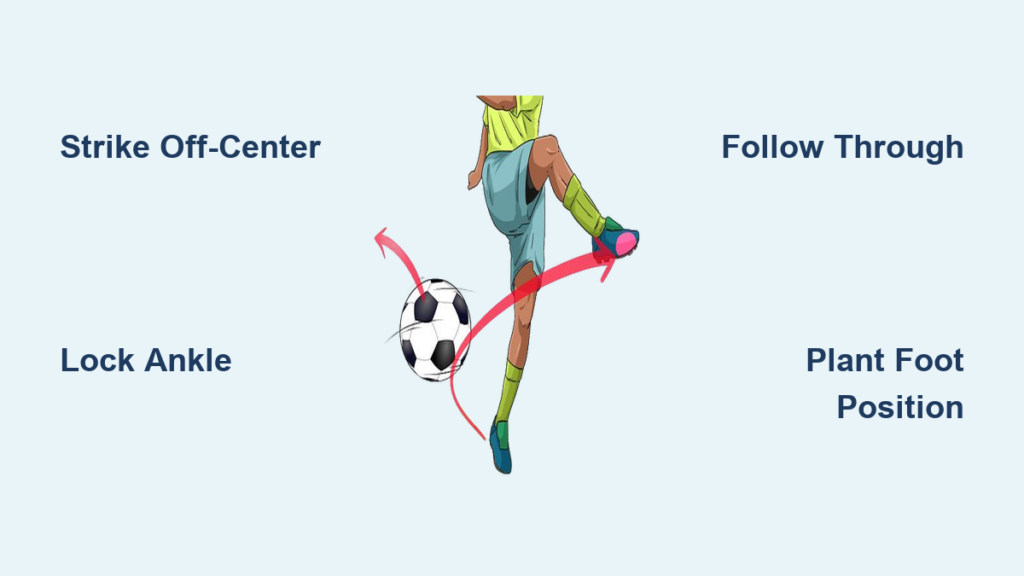
Two common mistakes ruin this technique. Over-extending the leg makes it hard to control and throws off balance. Stiff cushioning fails to absorb momentum, causing a hard rebound. Instead, keep your movement compact and fluid. Lock your ankle at contact and draw your foot back slightly to neutralize the ball’s speed.
Use the Head for Controlled Drops
Direct the Ball Downward with the Forehead
When the ball is too high for chest or thigh, use your head, but not to power it forward. Instead, focus on controlled reception. Make contact with the forehead, not the top of the skull, and slightly tuck your chin to protect your neck. As the ball arrives, pull your head back slightly on impact to absorb the force.
Prepare for Immediate Follow-Up
After a headed drop, be ready to move. The goal is not just to win the ball. It is to keep possession. Once it lands, trap it with your foot and either turn, pass, or shield depending on pressure.
Apply the Soft Landing Principle
Relax to Absorb Impact
Regardless of which body part you use, the universal rule is: relax at contact. Tense muscles act like a wall. The ball bounces off unpredictably. A relaxed limb acts like a cushion, absorbing energy smoothly. Whether using chest, thigh, or foot, let the body part give slightly upon impact.
Guide the Ball to Your Feet
The ultimate goal of any aerial reception is to get the ball under your feet as quickly as possible. From there, you can do anything. Never let the ball bounce more than once unless forced. Use the ground to help. Trap it against the turf, then take over.
Train with Game-Like Drills
Practice the Circle Drill Under Pressure
Set up two concentric circles. The inner circle should be 3 to 5 feet in diameter where you receive the ball. The outer circle should be 8 to 10 feet in diameter as your boundary. Have a coach or partner toss an aerial ball into the inner circle. Your job is to control it cleanly, move it outside the inner circle, stay within the outer circle, and keep possession before a defender arrives.
Build Skill with Solo Toss Progressions
Start simple. Toss the ball just above head height and receive with your thigh. Let it drop and trap with your foot. Repeat 10 times. Then progress by increasing toss height to practice chest traps. Add variation by receiving while turning or moving. The final challenge is to control so precisely you can strike the crossbar on command.
Try Partner and Wall Drills
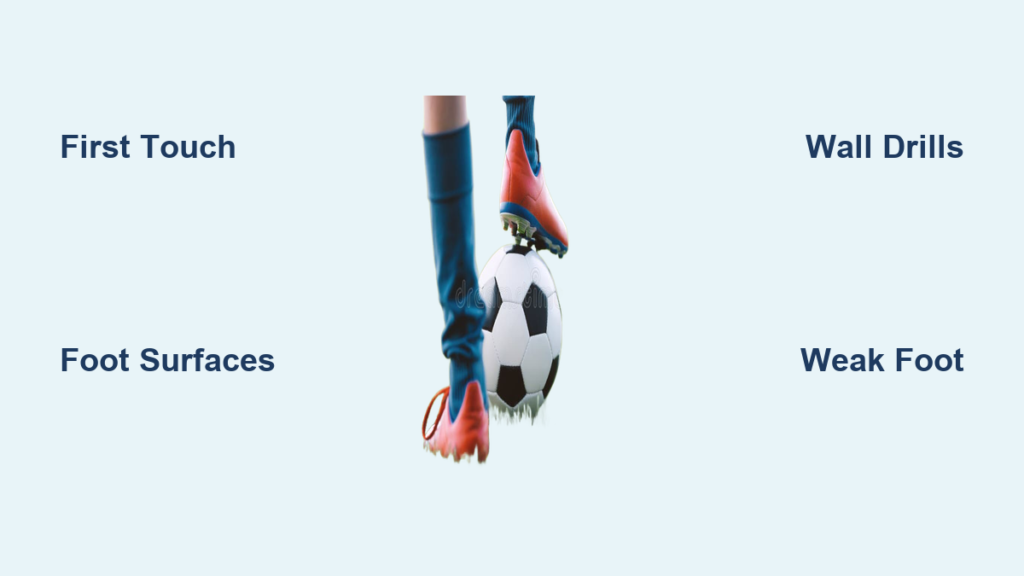
Wall drills work well. Toss the ball against a wall at different heights and practice receiving with chest, thigh, and foot. Partner tosses from 10 to 15 feet add variety in angle and speed. Drop and trap exercises emphasize soft touch when catching straight vertical drops.
Fix Common Mistakes
Stop Leaning Backward
Leaning back shifts your weight behind the ball, making forward movement difficult. It also increases the chance of losing balance. Instead, keep your hips and shoulders over the ball at contact. Shift your hips in the direction you want to go before the ball arrives.
Eliminate Late Surface Selection
Waiting until the last second leads to rushed, stiff touches. Decide early. This gives you time to relax, align, and execute. The moment you see the pass is made, commit to your surface.
Prevent Stiff or Over-Extended Legs
A rigid leg during the elevator technique causes hard rebounds. An over-extended leg throws off balance. Keep movements compact, ankle locked, and foot drawn back slightly to absorb speed.
Keep Eyes on the Ball Until Control
Looking away before contact is a recipe for error. Track the ball all the way to your chest, thigh, or foot. Only look up once you have secured possession.
Play Smarter with Tactical Awareness
Create Time and Space After Reception
A clean aerial trap gives you a split-second advantage. Use it wisely. After control, know whether you will turn and dribble, pass immediately, or shield and wait. Having a plan before contact speeds up decision-making.
Transition from Defense to Attack
A well-trapped aerial ball turns defense into offense. For example, a defender winning a high ball and controlling it cleanly can quickly switch play or launch a counterattack. The elevator technique is perfect for this. Landing the ball at your feet sets up instant attacking options.
Shield Immediately Under Pressure
After any aerial reception, shield the ball if a defender is near. Use your body as a barrier. Even a split-second of protection gives teammates time to support.
Frequently Asked Questions About Receiving Soccer Balls in the Air
What is the best body part to receive a high soccer ball?
The chest is best for high balls above waist level because it offers a large surface area to cushion the ball downward. The thigh works well for balls at hip height, while the laces are ideal for faster transitions when the ball is descending toward your feet.
How do I stop the ball from bouncing away when receiving it in the air?
Relax the receiving body part at the moment of contact. Whether using chest, thigh, or foot, pull back slightly to absorb the impact rather than meeting it with a stiff limb. This soft cushioning prevents the ball from rebounding unpredictably.
What is the elevator technique in soccer?
The elevator technique uses the laces of your foot to receive a dropping ball. You raise your foot to meet the ball, cushion the impact with the laces, then drop your foot downward to absorb the speed. This lands the ball at your feet, ready for immediate play.
Why do I keep miscontrolling aerial passes?
The most common causes are leaning backward, choosing your receiving surface too late, and tensing up at contact. Practice aligning early with the ball’s path, committing to chest, thigh, or foot before the ball arrives, and staying relaxed through impact.
How can I practice receiving aerial balls alone?
Use solo toss progressions. Toss the ball upward, let it fall, and receive it with your thigh or chest. Focus on soft cushioning and trapping the ball to your feet. Progress to higher tosses and add turning or moving to simulate game conditions.
Does receiving the ball in the air work against defenders?
Yes. A clean aerial reception creates a crucial split-second advantage. Use this time to shield the ball, turn past the defender, or make a quick pass. The key is controlling the ball at your feet immediately so you can act before pressure arrives.
Key Takeaways for Mastering Aerial Ball Reception
Receiving a soccer ball in the air is not luck. It is technique, timing, and preparation. The foundation starts with aligning early using small steps to stay in the ball’s path, then choosing your receiving surface before the ball arrives rather than deciding at the last second. Regardless of whether you use chest, thigh, or foot, the universal principle remains the same: relax at contact, absorb the impact, and guide the ball to your feet.
Practice the circle drill to build alignment, timing, and surface selection under pressure. Master the elevator technique with your laces for the fastest transition into attacking play. Fix common mistakes like leaning backward, late surface selection, and tensing up, and your aerial control will improve dramatically.
Train consistently with game-like drills, apply these skills in live play, and every high ball becomes yours to command.