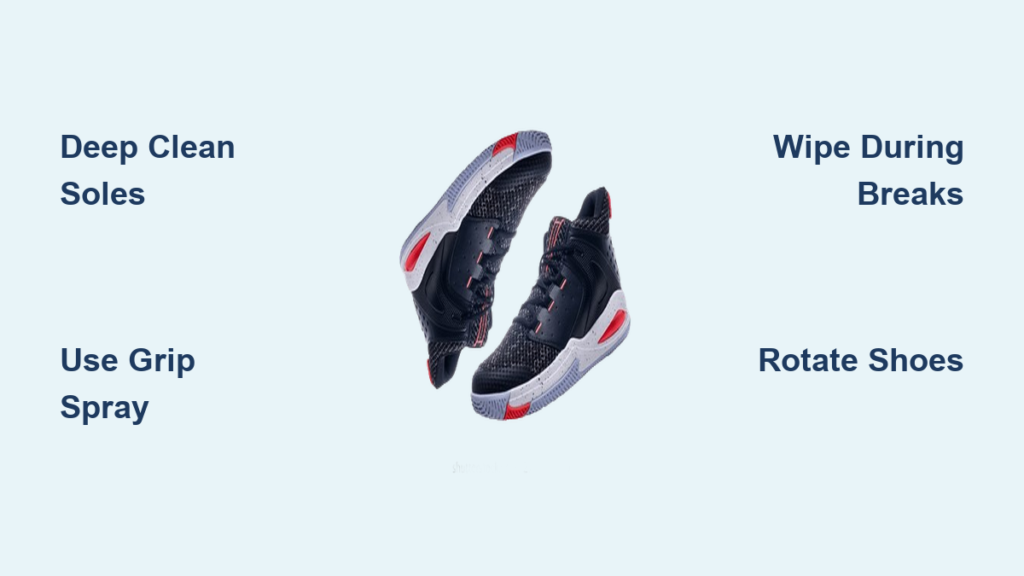
If you’ve ever tried to make a quick cut on the court only to feel your shoes slip, you know how dangerous and frustrating poor traction can be. Regripping basketball shoes isn’t about replacing rubber, it’s about restoring the natural stickiness and performance of your outsoles. Over time, dust, oils, and wear dull the grip, but with the right techniques, you can bring your shoes back to life. Whether you’re a weekend player or a serious athlete, maintaining traction is essential for safety, agility, and confidence. This guide reveals proven cleaning methods, effective commercial products, and smart habits to keep your shoes sticky game after game.
Deep Clean Your Outsoles With Detergent
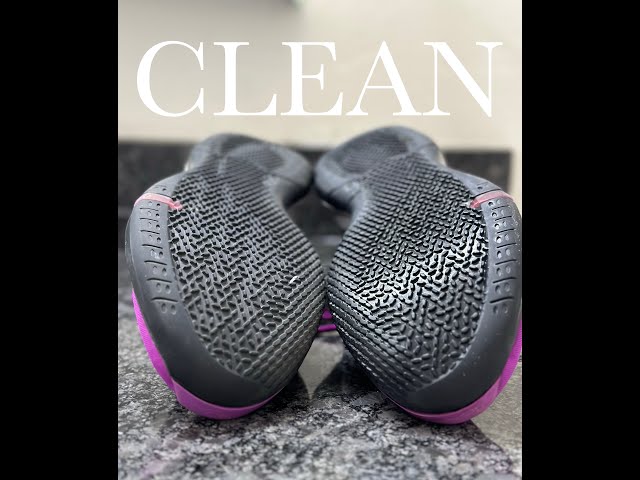
One of the most effective ways to regrip basketball shoes is the Tide Pod method. This isn’t a gimmick. It works by using surfactants in laundry detergent to break down embedded oils and grime that standard wiping cannot remove.
What You Need
• 1 Tide Pod or equivalent liquid detergent
• Warm (not hot) water
• Soft-bristled toothbrush or shoe brush
• Cold running water
• Microfiber towel
Step-by-Step Cleaning Process
- Dissolve the detergent in warm water.
- Scrub the entire outsole, focusing on grooves and worn areas.
- Rinse thoroughly under cold water to remove all soap.
- Dry with a towel and air-dry completely before use.
This deep clean reactivates the rubber’s natural tackiness. Perform it every 3 to 5 games or when grip noticeably fades.
What to Avoid During Cleaning
Never use boiling water, bleach, or alcohol-based cleaners. Heat can warp rubber and weaken adhesives. Harsh chemicals dry out the material, making it hard and slick. Stick to mild, non-toxic solutions to preserve shoe integrity.
Apply Traction-Boosting Sprays Before Games
For a fast, reliable boost before tip-off, use an alcohol-free traction spray like Grip Spritz. Unlike hand sanitizer or hairspray, it cleans and enhances grip without damaging rubber.
How to Apply Grip Spray Correctly
- Spray 2 to 3 times on the sole.
- Wipe with the included mitt or a clean cloth.
- Play immediately. No drying time needed.
Players report traction that lasts a full game under normal conditions. On dusty or damp courts, reapply at halftime.
Why Alcohol-Free Formulas Protect Your Shoes
Sprays with alcohol strip moisture from rubber, causing it to harden over time. Grip Spritz and similar products avoid this by using safe, non-drying formulas. This means long-term protection and consistent performance without degrading your shoes.
Cost-Effective Purchasing Options
• Starter Kit (1 bottle plus mitt): $19.95
• Year-Round Bundle (2 bottles plus mitt): $29.95 (save $11)
• Team 6-Pack: $69.95 (great for squads)
One bottle typically lasts a season. High-use players may go through more, but the investment pays off in performance and safety.
Wipe Your Soles During Game Breaks
Dust builds up fast, even on clean-looking courts. The best in-game solution is a sticky mat. These adhesive platforms lift grime with every step.
When to Use Sticky Traction Mats
Players should use them during free throws, timeouts, and quarter breaks. Mats come in multi-sheet rolls (30 to 75 layers). Peel off a dirty layer to expose a fresh one. They are portable, reusable, and far more effective than wiping with hands.
Emergency Alternative: Damp Towel
No mat? A slightly damp microfiber towel works in a pinch. Wipe the entire sole, especially the forefoot and heel zones. Avoid soaking the shoe. Moisture can weaken glue bonds over time.
Why Hand Wiping Fails
Licking your palms or soles is unhygienic and useless. Wiping soles with bare hands transfers skin oils, which attract more dust and reduce grip. Always use a clean tool instead.
Prevent Premature Wear With Smart Habits
Outdoor surfaces like asphalt destroy tread patterns fast. Once the rubber is smooth, no cleaning method can restore grip.
Keep Indoor and Outdoor Shoes Separate
Own two pairs. Use one for indoor hardwood (keep these pristine) and one older pair for outdoor play. This simple habit doubles the life of your performance shoes.
Rotate Between Multiple Pairs
Using the same pair every day accelerates wear. Rotate 2 to 3 pairs to let rubber reset between games, distribute wear evenly, and always have a fresh pair ready. Serious players find rotation extends peak performance by weeks or even months.
Know When to Replace Your Basketball Shoes
No amount of cleaning helps if the tread is gone. Inspect your shoes monthly for smooth or shiny outsoles, flattened herringbone or hex patterns, and visible sole separation. Once the rubber loses texture, grip is permanently lost.
Track Your Shoe Lifespan
Most basketball shoes last 45 to 60 hours of play before traction drops significantly. Track your usage. Rec league players (about 2 hours per week) should replace every 6 to 12 months. Daily trainers (about 10 hours per week) should replace every 4 to 6 weeks. Replace early if you notice slipping, instability, or foot fatigue.
Choose High-Grip Footwear From the Start
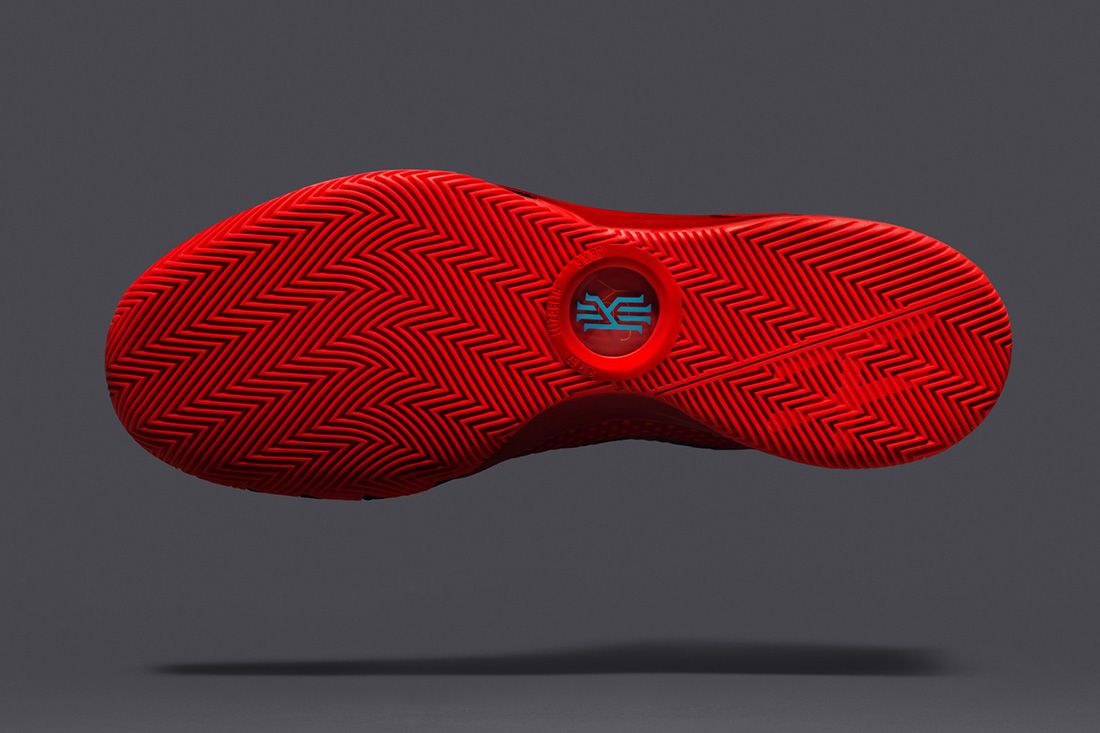
Not all soles are equal. For maximum grip, look for herringbone (excellent multidirectional traction), hexagonal (superior grip on dusty courts), or zigzag patterns (ideal for quick cuts and pivots). Avoid flat or shallow patterns. They wear out fast and offer little bite.
Match Rubber Compound to Your Court
Some shoes use sticky rubber for indoor courts. Others use durable compounds for outdoor use. Match your shoe to your primary surface. Indoor shoes use soft, sticky rubber (like Nike React or Adidas Lightstrike). Outdoor shoes use harder, abrasion-resistant rubber. Check reviews from players on similar courts to gauge real-world performance.
Compare All Regripping Methods
| Method | Effectiveness | Duration | Risk | Cost |
|---|---|---|---|---|
| Tide Pod Clean | High | Long (days) | Low | $ |
| Grip Spritz Spray | High | Medium (game) | None | $$ |
| Traction Mat | Medium | Short (minutes) | None | $ |
| Hand Sanitizer | Low | Seconds | High | $ |
| Wiping Hands | Low | Instant | Low | Free |
| Shoe Rotation | Preventative | Long-term | None | $$$ |
Best combo: Deep clean weekly plus pre-game spray plus in-game mat use.
Avoid These Common Mistakes
Despite internet hacks, hand sanitizer ruins basketball shoes. Alcohol dries rubber, making it hard and slick. It also attracts dust, creating a gummy layer that worsens traction. Skip it permanently.
Never Apply Heat to Dry Shoes
Using a hairdryer, heater, or direct sunlight to dry wet shoes can melt glue, warp midsoles, and crack rubber. Instead, remove insoles, stuff with newspaper, and air-dry at room temperature.
Check Court Conditions Before Playing
Even the best shoes fail on dirty floors. Advocate for clean courts. Avoid stepping on dusty sidelines or wet entryways during play. Your grip depends as much on the floor as your shoes.
Maintain Long-Term Grip Performance
Make outsole cleaning part of your routine after every few games. Remove laces and insoles. Scrub with mild soap and warm water. Use a toothbrush for deep grooves. Rinse and air-dry completely.
Store Shoes Properly
Keep your basketball shoes in a cool, dry place. Avoid hot cars or damp basements. Use a shoe tree or stuff with paper to maintain shape and absorb moisture.
Invest in Quality Gear
Spending more on high-traction shoes and maintenance tools pays off. A $120 pair that lasts 60 hours costs less per game than an $80 pair replaced twice as often. Add a $20 grip spray, and you are maximizing every dollar.
Frequently Asked Questions About Regripping Basketball Shoes
Does cleaning basketball shoes actually restore grip?
Yes, deep cleaning with detergent removes embedded oils and grime that dull the rubber’s natural tackiness. The Tide Pod method is particularly effective at breaking down contaminants that wiping alone cannot remove.
How often should I deep clean my basketball shoes?
Perform a deep clean every 3 to 5 games or whenever you notice a significant drop in traction. Routine maintenance cleaning after each game helps prevent buildup and maintains consistent grip.
Are grip sprays safe for all basketball shoes?
Alcohol-free grip sprays like Grip Spritz are safe for all athletic shoe materials. Always avoid alcohol-based products, as they dry out and harden rubber, causing long-term damage.
Can I use hand sanitizer to improve basketball shoe grip?
No. Hand sanitizer contains alcohol that dries rubber and attracts dust, making traction worse over time. This common hack causes permanent damage and should be avoided.
How long do basketball shoes maintain good traction?
Most basketball shoes lose significant traction after 45 to 60 hours of play. Factors like court surface quality, player weight, and playing style affect this timeline. Regular inspection and proper maintenance can extend this period.
Key Takeaways for Regripping Basketball Shoes
Regripping basketball shoes is about smart maintenance, not magic fixes. By deep cleaning with detergent, using alcohol-free sprays, wiping during games, and rotating footwear, you restore and preserve natural traction. Avoid harmful hacks like hand sanitizer, separate indoor and outdoor shoes, and replace them when tread wears out. With these strategies, you will stay sticky, safe, and sharp on every cut, stop, and drive to the basket.