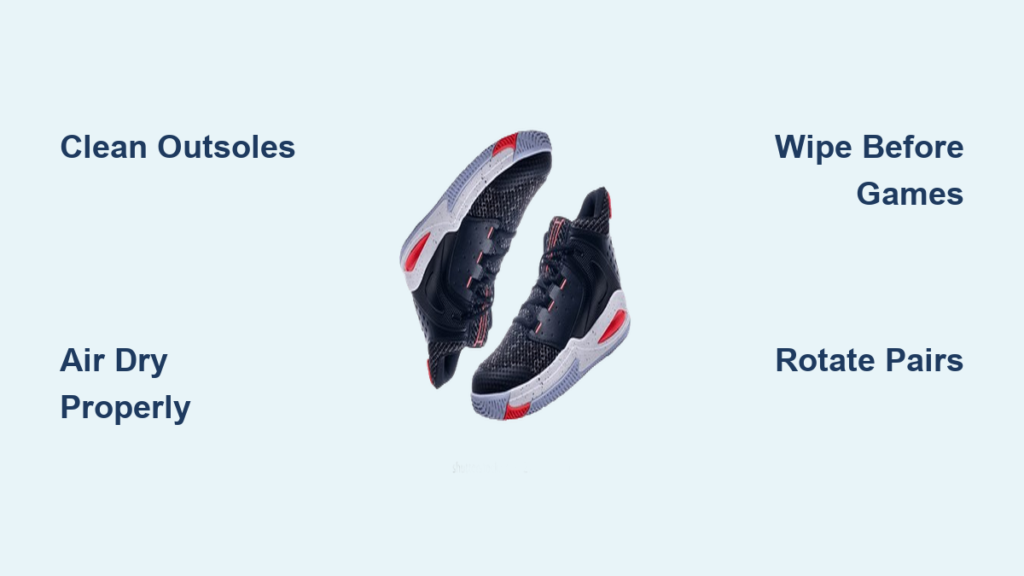
If your basketball shoes lose grip after just a few games, you are not alone. Most players overlook simple care steps that make all the difference between peak performance and compromised play. How to care for basketball shoes is about more than aesthetics. It is about maintaining traction, preventing injuries, and getting the most value from your investment. Sweat, dirt, and constant impact degrade materials fast, leading to slippery soles, foul odors, and weakened support. But with the right cleaning routine, drying methods, and storage habits, you can extend your shoes life significantly and keep them performing game after game.
Clean Shoes the Right Way

Proper cleaning restores grip, removes odor causing bacteria, and preserves materials. Skipping even one step can leave residue or moisture that damages your shoes over time. Follow a complete process to ensure every part, from sole to laces, is refreshed and ready for the court.
Prepare the Cleaning Solution
Use warm water and a powerful yet safe detergent to dissolve grime and reactivate rubber stickiness. Fill a cup three quarters full with warm water, then add one Tide pod or a teaspoon of liquid laundry detergent. Stir with a toothbrush until fully dissolved. Warm water boosts cleaning power by helping the detergent break down oils and dirt faster than cold water. Avoid bleach or harsh chemicals because they can weaken adhesives and fade colors.
Scrub the Outsole Deeply
The outsole is where performance lives, so give it the most attention during cleaning. Start by brushing off loose dirt with a dry soft bristled brush. Then dip a toothbrush into the cleaning solution and scrub the entire rubber surface, focusing on high wear zones like the heel and forefoot. Use the brush tip or a toothpick to dig into deep treads because trapped dust flattens the pattern and kills traction. Rinse thoroughly with clean water using a second sponge dedicated only to rinsing. Wipe dry with paper towels and inspect for leftover residue, which attracts more dirt if not removed.
Clean Uppers Without Damage
Mesh, synthetic, and knit uppers need gentle handling to avoid tears. First, dust the surface with a soft cloth or brush. For stains, dampen a sponge with the mild soapy solution and lightly scrub in small circles. Never soak the upper because excess water can warp padding or loosen glue. If your shoes have leather, use a leather specific cleaner instead of detergent to prevent drying or cracking. After cleaning, rinse with a clean water sponge and wipe dry immediately.
Wash Laces and Insoles Separately
Laces and insoles harbor the most sweat and bacteria. Remove both before cleaning the shoe body. Wash laces in the washing machine inside a mesh bag to prevent tangling. Insoles can be wiped with soapy water or machine washed if labeled safe. Always air dry completely, never use heat, before reinserting. Replace insoles every few months or use odor absorbing inserts for better hygiene.
Dry Shoes Safely and Effectively
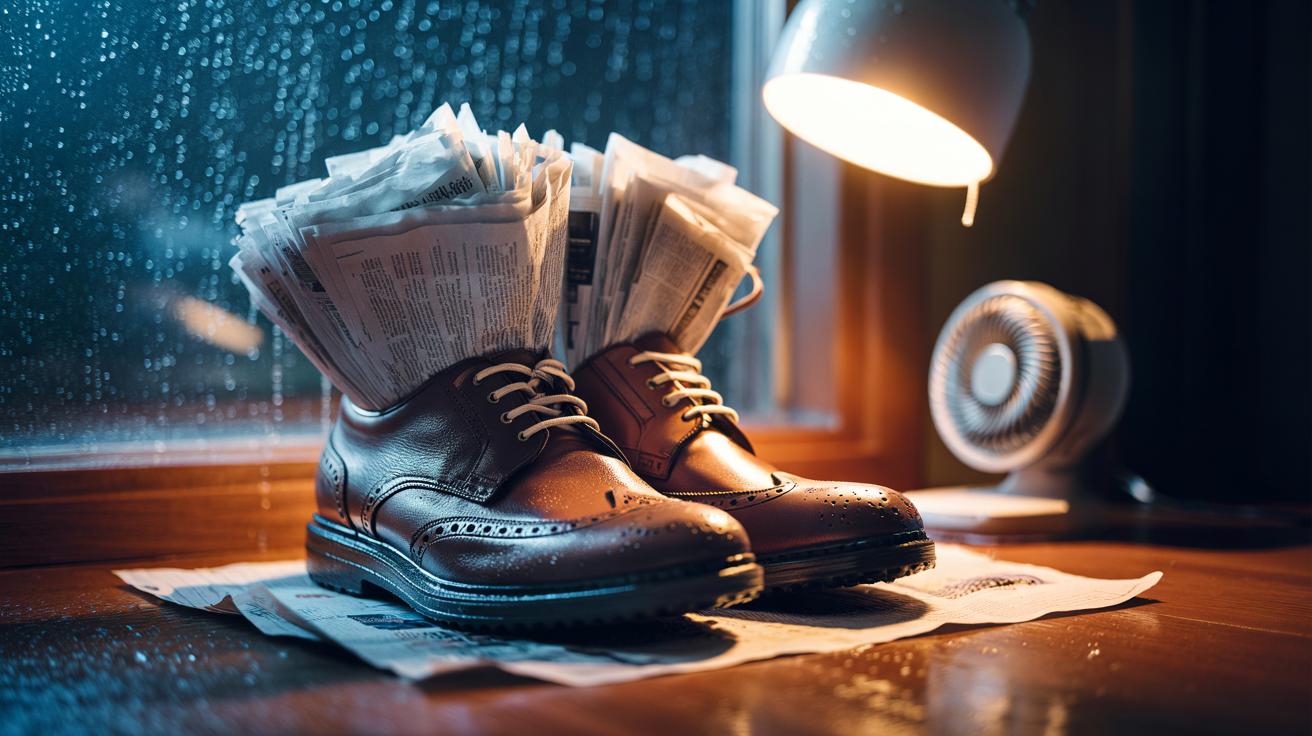
Improper drying destroys shoes faster than dirt. Heat cracks rubber, warps structure, and melts adhesives. The only safe method is slow, natural air drying with moisture absorption.
Use Paper or Shoe Trees
After cleaning, stuff shoes with crumpled newspaper or paper towels. These absorb internal moisture and help maintain shape. Replace wet paper every few hours until dry. For long term care, use cedar shoe trees because they wick moisture and resist odor. Avoid leaving shoes empty because they may collapse or crease permanently.
Avoid Heat at All Costs
Never use a hair dryer, radiator, or clothes dryer. High heat breaks down the glue bonding the sole to the upper, leading to separation. It also causes rubber to crack and foam midsoles to degrade. Even direct sunlight fades colors and weakens materials over time. Place shoes in a well ventilated room away from windows and heat sources. Allow 12 to 24 hours to dry fully before wearing or storing.
Restore and Maintain Traction
Sticky soles mean better cuts, faster stops, and safer landings. Traction fades from dust buildup and surface wear, but you can reverse it with smart habits.
Wipe Soles Before Every Game
Dust acts like ball bearings between your shoe and the court. Always wipe soles with a damp towel before stepping on the court. This quick step removes surface particles and instantly improves grip. Keep a small towel in your bag for halftime refreshes so you maintain traction throughout the game.
Use Traction Mats or Gels
Most gyms have sticky traction mats at the sidelines. Step on them to pull dust from your soles. No mat available? Use a slightly damp towel during breaks. For extra stick, apply a rubber safe traction gel or spray right before play. These create a temporary tacky layer, ideal for dry courts. Avoid overuse because some sprays leave residue that attracts dirt.
Never Wear Indoor Shoes Outside
Concrete and asphalt are like sandpaper to indoor rubber. One outdoor use can permanently dull the tread. Reserve indoor basketball shoes for the court only. If you must walk outside, wear over shoes or change once you arrive. Once the outsole pattern is smooth, traction is gone, and no cleaning can fix that.
Store Shoes to Last Longer
Where and how you store your shoes affects their shape, smell, and lifespan. Proper storage prevents deformation and bacterial growth.
Keep Them Cool and Dry
Store shoes in a closet or shelf with stable temperature and low humidity. Avoid garages, cars, or damp basements because extreme heat or moisture breaks down materials. After playing, never toss wet shoes into a gym bag. Let them air out first to stop odor and rot.
Preserve Shape and Protect
Use shoe trees or inserts when not wearing them, especially between games. For long term storage, place shoes in their original box with silica gel packets to control moisture. Keep them upright on a rack, and do not stack heavy items on top because that can crush the heel or midsole.
Stop Odors Before They Start
Smelly shoes come from trapped sweat and bacteria. Fight odor with airflow, cleaning, and smart rotation.
Air Out Immediately After Use
Take out insoles and unlaced shoes right after playing. Leave them in a ventilated area for several hours. This simple step prevents mildew and slows bacterial growth. Never seal damp shoes in a bag or box.
Use Odor Absorbers Regularly
Insert activated charcoal bags or odor neutralizing insoles when storing. These absorb moisture and kill smells naturally. Spray interiors with an anti-microbial shoe spray once a week if you play frequently. Rotate between two pairs because this gives each set 24 or more hours to dry fully, cutting odor risk in half.
Maximize Shoe Lifespan
Even the best care will not stop wear forever. But smart habits delay the inevitable and keep performance high longer.
Rotate Between Two Pairs
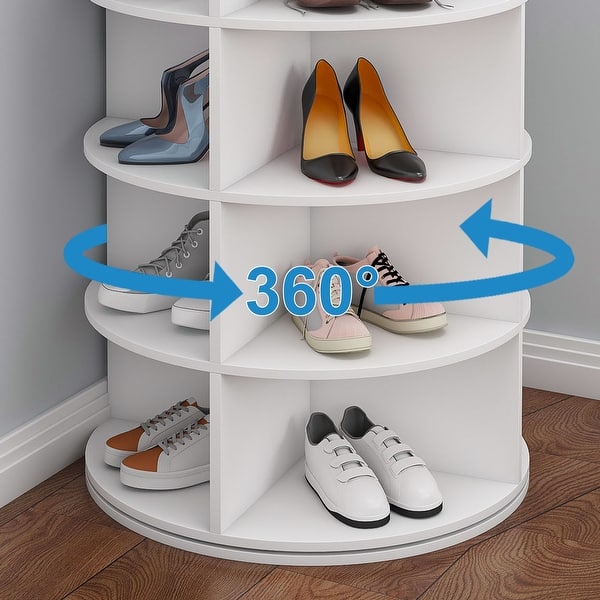
Playing multiple times a week? Rotate shoes. This lets rubber rebound between uses and spreads out wear. Rotating can extend effective life by 20 to 30 hours. Plus, you always have a fresh pair ready when one needs drying or cleaning.
Know When to Replace
Most basketball shoes last 45 to 60 hours of play. Watch for warning signs like smooth outsoles, collapsed cushioning, or creases in the upper. If your feet hurt more or the shoe folds unnaturally when walking, it is time for new ones. Do not wait for the sole to peel because performance and injury risk decline long before that.
Protect Uppers and Avoid Scrapes
Scuffs and tears happen from dragging feet or bumping into walls. Be mindful of your movements off the court. For added protection, apply a waterproof spray to mesh or knit uppers, but test on a small area first. Avoid harsh brushes or soaking because those damage delicate materials.
Frequently Asked Questions About How to Care for Basketball Shoes
How often should I clean my basketball shoes?
Clean your basketball shoes after every few uses, or immediately if they become visibly dirty. Wipe soles with a damp towel before each game to maintain traction. Deep clean the outsoles and uppers at least once a week if you play regularly.
Can I put basketball shoes in the washing machine?
You should avoid machine washing basketball shoes. The agitation and heat can damage adhesives, warp the sole, and shrink materials. Only wash laces in the machine, and clean the shoe body by hand with a mild detergent solution.
Why do my basketball shoes lose grip so quickly?
Traction loss comes from dust buildup on the soles, worn out tread patterns, and playing on dirty courts. Regular wiping before games, deep cleaning of outsole grooves, and using traction mats can restore grip. If the tread is completely smooth, the shoes are worn out.
How do I stop my basketball shoes from smelling?
Remove insoles and laces after each use to allow airflow. Use odor absorbing insoles or activated charcoal bags when storing. Spray the interior with anti-microbial shoe spray weekly, and rotate between two pairs so each has time to dry completely.
Is it okay to dry basketball shoes in the sun?
No, direct sunlight causes colors to fade and materials to weaken over time. Dry shoes in a well ventilated area at room temperature instead. Stuff the interior with newspaper or use shoe trees to absorb moisture while maintaining shape.
How long do basketball shoes typically last?
Most basketball shoes last 45 to 60 hours of play before significant performance decline. Replace them when the outsole tread is smooth, cushioning feels flattened, or you notice increased foot fatigue during play.
Key Takeaways for Caring for Your Basketball Shoes
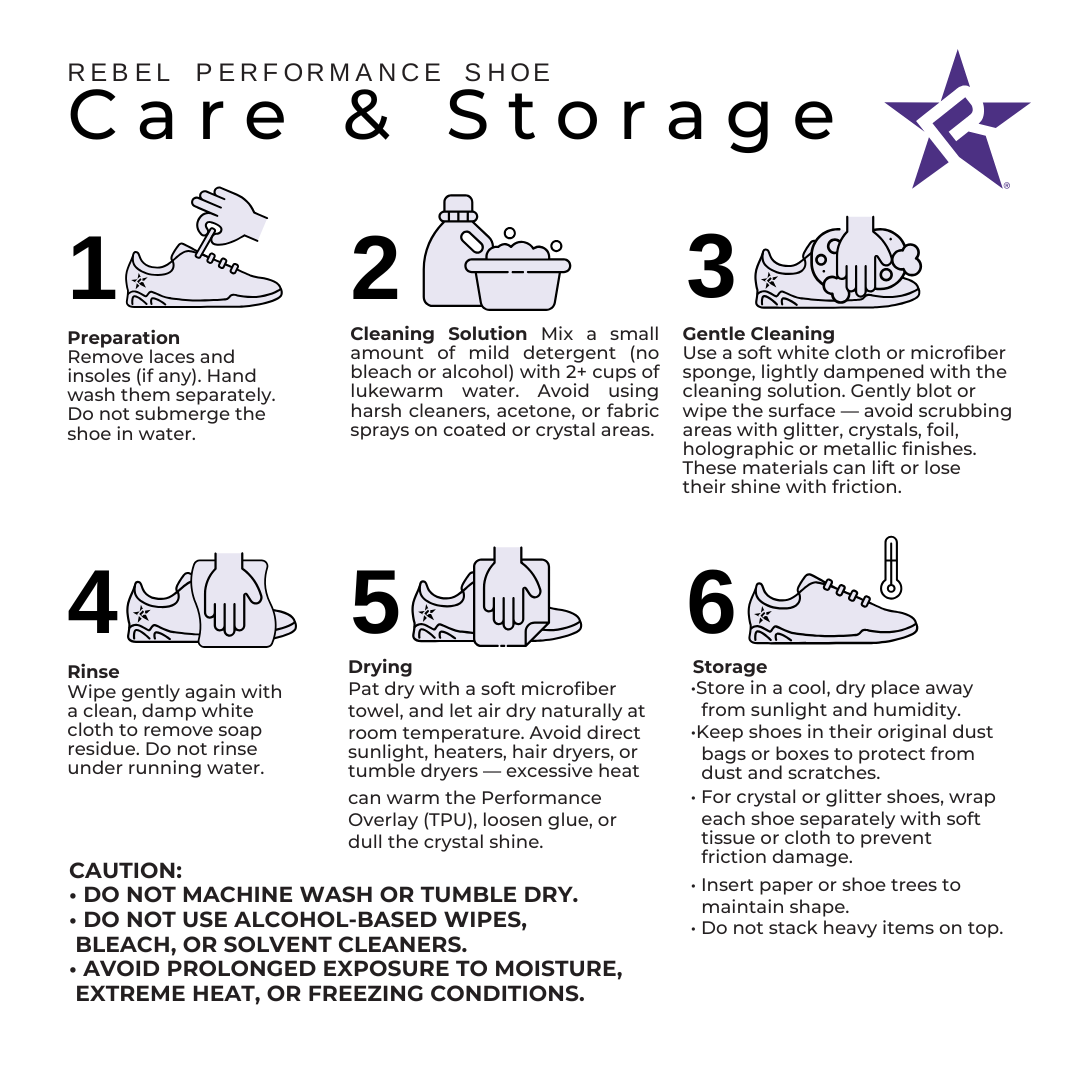
Caring for basketball shoes is not complicated, but skipping steps costs you grip, comfort, and money. Clean regularly with the right tools, focusing on the outsole grooves where dust accumulates most. Dry without heat using newspaper or shoe trees, and allow 12 to 24 hours for complete drying. Store shoes in a cool, dry place and always air them out immediately after playing. Rotate between two pairs to extend their lifespan and maintain consistent performance. Follow these habits, and your shoes will stick to the court just like they did on day one.