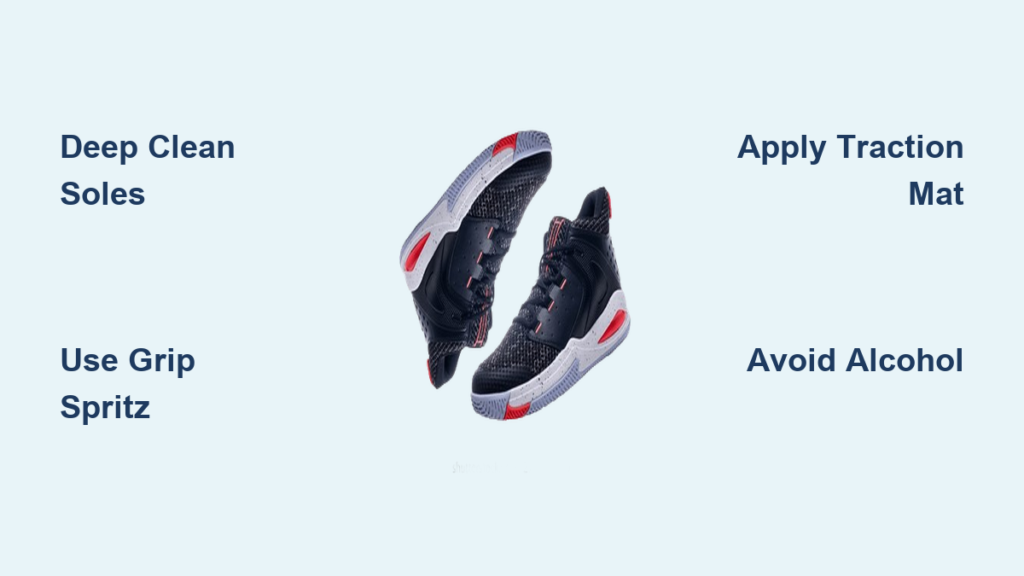
If your basketball shoes are sliding instead of gripping, you’re not alone. Traction loss is one of the most common issues players face, whether after a few games or mid-season. The good news? Most of the time, lost grip isn’t permanent. More often than not, it’s caused by dirt buildup, chemical exposure, or improper maintenance, not worn-out soles. With the right techniques, you can restore that fresh-out-of-the-box stickiness in minutes.
This guide reveals the science-backed methods to revive traction, avoid damaging hacks, and keep your shoes game-ready all season long. You’ll learn exactly how to clean your soles properly, which products actually work, and when it’s time to retire your pair for good.
Deep Clean with Warm Water and Detergent
One of the fastest, cheapest, and most effective ways to restore grip is a deep clean using household detergent. Most traction loss comes from oils, dust, and grime clogging the outsole. This method removes it all and exposes the sticky rubber beneath.
Use Warm Water and a Dissolved Detergent Pod
Fill a cup three-quarters full with warm water and drop in one detergent pod. Let it dissolve completely before use. Warmth activates the surfactants in the detergent, which break down oily residues that dull rubber tackiness. Avoid soaking the upper. Focus only on the outsole.
Scrub Every Inch of the Sole
Dip a soft toothbrush or shoe brush into the solution. Scrub the entire sole, paying special attention to high-wear zones: the heel, forefoot, and lateral edges. These areas handle cuts and pivots, so keeping them clean maximizes your control. Be thorough with the tread pattern where dirt hides.
Rinse Thoroughly and Air Dry
Rinse under cold running water until no suds remain. Leftover soap attracts more dirt and can degrade rubber over time. Pat dry with a microfiber towel, then air-dry at room temperature. Never use a hairdryer or direct sunlight. Heat weakens glue and hardens rubber, causing permanent damage.
Time required: approximately 5 minutes
Best for: weekly maintenance or reviving dead soles
Frequency: after every 2 to 3 games or practices
Apply Grip Spritz for Game-Day Stickiness
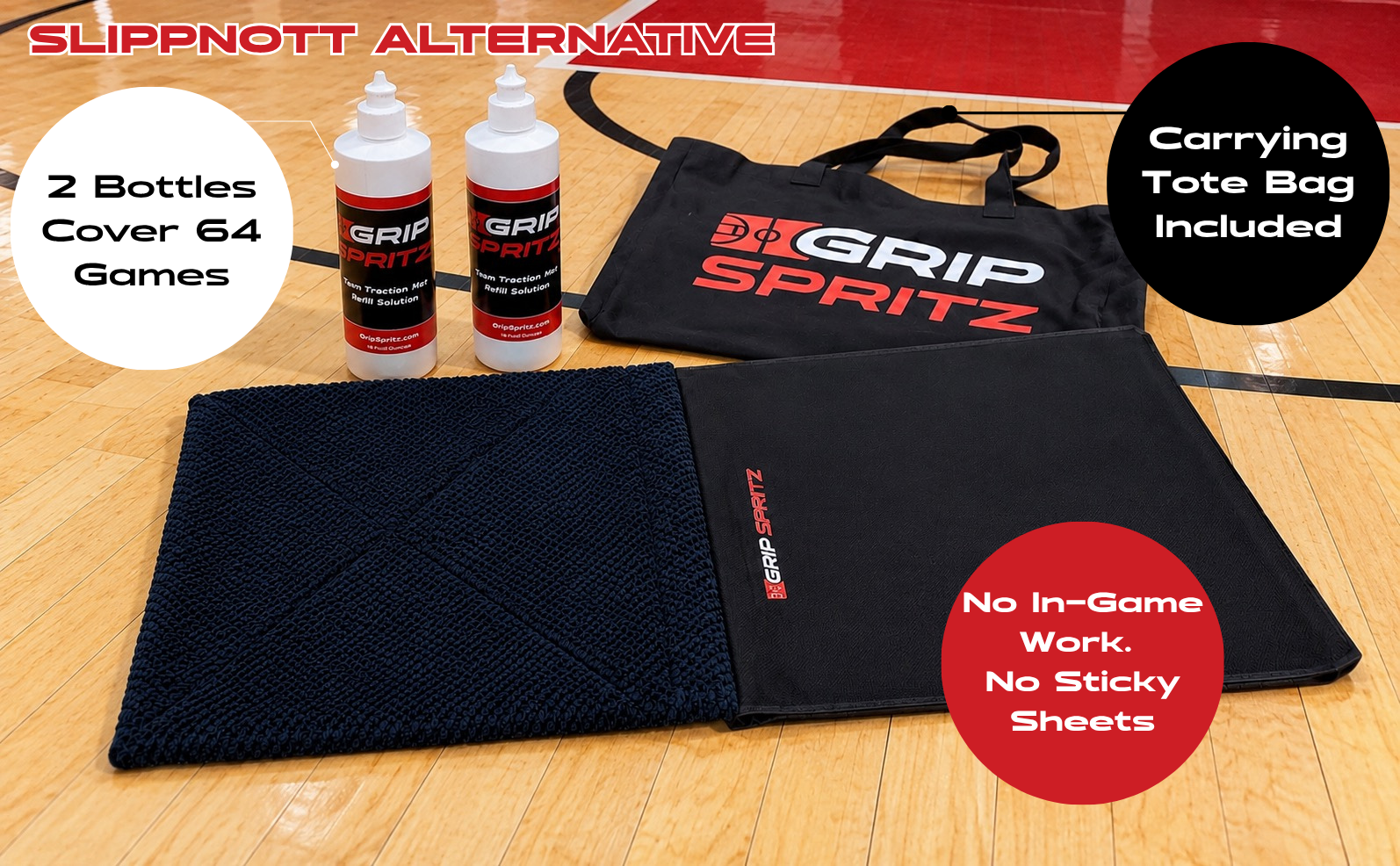
For players who need instant, reliable traction without mess, Grip Spritz is a top-tier commercial solution designed specifically for rubber outsoles.
Spray and Wipe for Instant Results
Spray directly onto the sole, then wipe in with a clean cloth. Unlike alcohol-based sprays, Grip Spritz cleans and enhances the rubber’s natural tackiness without damage. It bonds to the surface, creating a sticky feel that lasts through your game.
Match Use to Court Conditions
On university or Panam-style courts that are kept clean, the effect lasts an entire game and adds faster cut capability. In high school gyms with moderate dust, reapply at halftime if sideline traffic is heavy. In multi-court facilities with salt, snow, and grime, reapply every quarter.
One bottle lasts a full season for heavy users playing 8 to 10 games per month. Casual players may get 1 to 2 seasons from two bottles.
Use Traction Mats During Play
Even with clean shoes, dust builds up fast during games. Traction mats offer real-time grip restoration between plays without leaving your bench.
Step On to Remove Dust Instantly
Place the mat on the sideline. During timeouts or free throws, step on and off 3 to 5 times. The adhesive surface pulls dirt, sweat, and oils from your soles. This works far more effectively than wiping with a towel or your hands.
Peel and Replace After Each Use
Most mats come in packs of 30 to 75 sheets. When one layer gets dirty, peel it off to reveal a fresh, sticky surface underneath. Made from durable ABS plastic, they withstand repeated stomping throughout the game.
Pro tip: Keep one in your gym bag and use it pre-game and during breaks for consistent grip. The limitation is that mats can leave slight residue over time, so clean your soles post-game with the detergent method.
Avoid Harmful Cleaning Myths
Many popular hacks actually destroy rubber instead of helping. These methods may give a fleeting boost, but the long-term cost is ruined shoes.
Never Use Hand Sanitizer
Hand sanitizer contains alcohol that dries out rubber, making it hard and slick. Even occasional use permanently reduces tackiness. Avoid this completely.
Skip Hairspray and Lotion
Hairspray contains alcohol and polymers that degrade rubber. Lotion or DIY grip gels collect dirt and create slippery buildup. They are messy and ineffective.
Do Not Wet or Sweat on Soles
Water evaporates too fast to help. Sweating on soles is unhygienic and inconsistent. Neither improves friction long-term.
Never Sand or Heat Your Soles
Sandpapering strips tread patterns and weakens structural integrity. Heat from hairdryers or sun exposure alters rubber chemistry and loosens glue. Both ruin your shoes permanently.
Stop Wiping with Your Hands
Your hands spread dust instead of removing it. They also transfer oils and sweat, making soles slicker. This increases slip risk and can irritate your skin.
Maintain Shoes with Routine Care
Traction is not just about cleaning. It is about prevention. A smart maintenance plan keeps your shoes performing longer.
Follow a Cleaning Schedule
Before games, wipe soles with a damp cloth. During play, use a traction mat or clean towel during breaks. After games, deep clean with the detergent method. Weekly, inspect the tread and clean if needed.
Store Shoes Correctly
Keep them in a cool, dry place. Insert newspaper or shoe trees to absorb moisture and maintain sole shape. Always let shoes dry fully after use. Dampness traps dirt and accelerates rubber breakdown.
Rotate Between Two Pairs
Using one pair constantly compresses and fatigues the rubber. Rotating between two pairs lets the outsoles recover between uses, preserving grip and extending lifespan. Most shoes last 45 to 60 hours of play. Rotation helps you get there.
Match Shoes to Court Surfaces
Your environment affects traction more than you think. Not all courts are equal, and neither are all shoes.
Play Indoors Only in Indoor Shoes
Outdoor surfaces like asphalt are like sandpaper. They wear down tread patterns fast. Once the herringbone or hexagonal design flattens, no cleaning method can restore mechanical grip.
Dedicate Outdoor Pairs
Keep a separate pair for street courts. Sacrifice those soles. Save your game-day shoes for the gym.
Advocate for Cleaner Courts
Facility maintenance matters. University courts offer near-perfect grip due to regular cleaning. Multi-use gyms drop to 40 to 50 percent from tracked-in salt, snow, and dirt. Encourage mopping and dry sweeping before games.
Improve Footwork to Reduce Slip Risk
Better traction is not just about shoes. It is also about how you move.
Control Weight Distribution
Players with smooth, balanced footwork rely less on extreme grip. Avoid overstriding or leaning. These create sliding forces no shoe can fully counter.
Train Core and Movement
Drills that build core strength and body control reduce unintended slips. Practice defensive slides, pivots, and stops with proper form. The less you fight your momentum, the less you strain your soles.
Adjust for Court Conditions
On dusty courts, shorten your cuts and avoid sharp 90-degree stops. Awareness and adaptation keep you safe even when grip is not perfect.
Know When to Replace Your Shoes
No method can fix physically worn-out soles. Recognize the signs that it is time for new shoes.
Check for Flat or Shiny Treads
If the tread pattern is smooth or polished, the rubber is gone. Cleaning will not help. Replacement is the only option.
Look for Sole Separation
Peeling or bubbling between layers means structural failure. This compromises safety and stability.
Replace After 45 to 60 Hours
Even with perfect care, shoes degrade. Track your playtime. If cleaning and rotation no longer restore grip, retire the pair.
Compare Traction Solutions
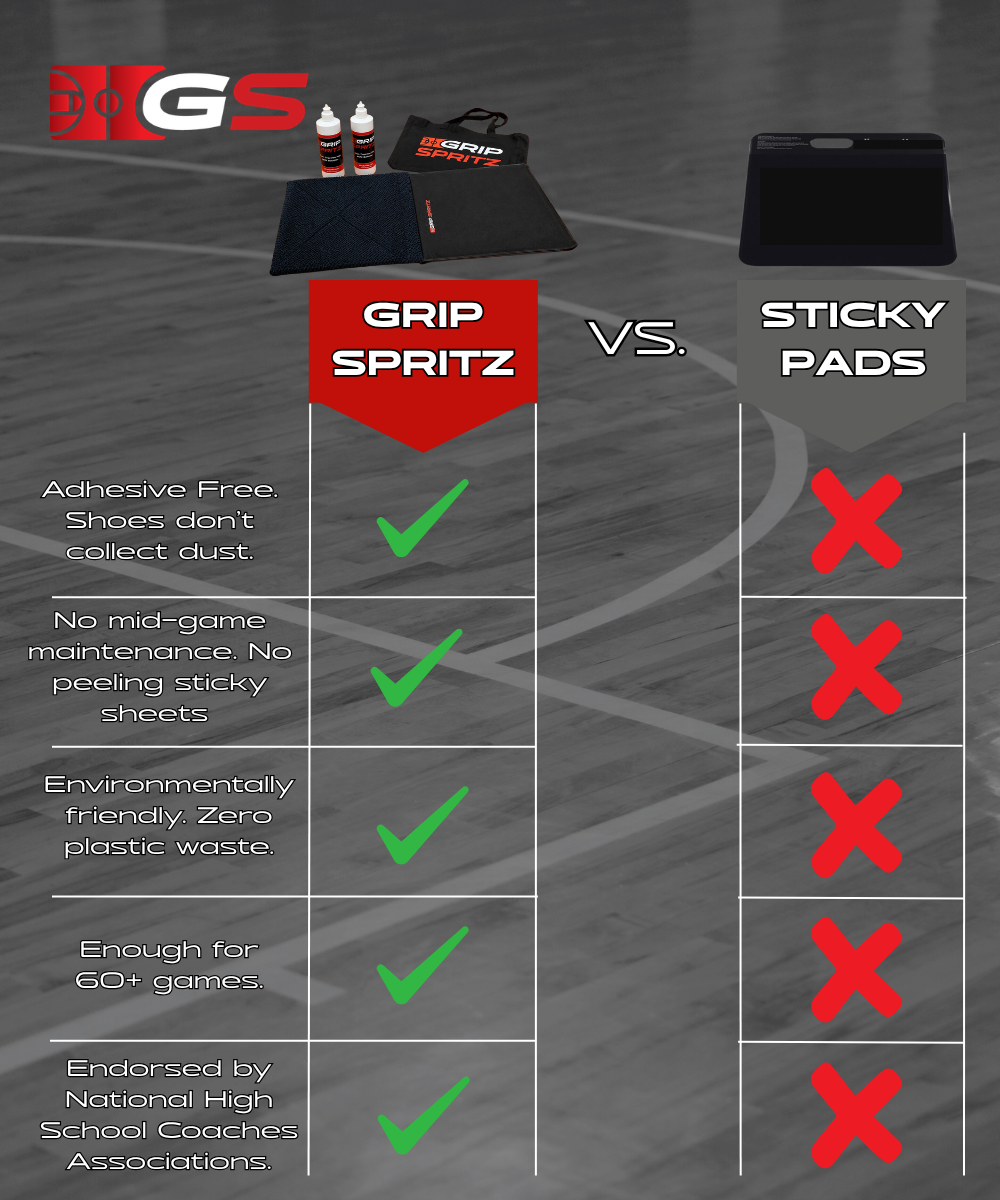
Here is a quick reference for the methods covered in this guide:
• Detergent Clean: Low cost, lasts until next contamination, no risk if rinsed properly, best for weekly deep clean
• Grip Spritz: Medium cost, lasts full game, no risk, best for pre-game prep
• Traction Mat: Medium cost, immediate effect, no risk, best for in-game touch-up
• Hand Sanitizer: Low cost, lasts seconds, high risk of damage, should be avoided
• Sandpaper: Low cost, permanently destructive, critical risk, should be avoided
• Water or Sweat: Free, lasts less than 10 seconds, low risk, emergency only
Frequently Asked Questions About Basketball Shoe Traction
Does cleaning basketball shoes actually restore grip?
Yes. Most traction loss comes from contamination, not wear. Dirt, oil, and grime build up in the tread grooves and on the surface, creating a barrier between the rubber and the court. A thorough clean with warm water and detergent removes this barrier and restores the rubber’s natural tackiness.
How often should I clean my basketball shoes?
Deep clean with detergent after every 2 to 3 games or practices. Wipe soles with a damp cloth before each game. Use a traction mat during breaks if playing in dusty conditions.
What destroys basketball shoe rubber permanently?
Alcohol-based products like hand sanitizer and hairspray dry out rubber and cause permanent loss of stickiness. Heat from hairdryers or direct sunlight weakens glue and alters rubber chemistry. Sandpapering strips tread patterns and compromises structural integrity.
Are traction mats worth it?
Yes. Traction mats provide immediate grip restoration during games without leaving your bench. They are more effective than wiping with your hands or a towel because they pull dirt off rather than spreading it around. They work best when combined with the detergent cleaning method.
Why do my shoes slip more on some courts than others?
Court surface condition varies dramatically. University courts maintained regularly offer near-perfect grip. Multi-use facilities with tracked-in salt, snow, and dirt can reduce grip to 40 to 50 percent. This is a court maintenance issue, not a shoe issue.
When should I replace my basketball shoes?
Replace when the tread pattern is completely flat or shiny, when you see sole separation or peeling, or when frequent rotation and cleaning no longer restore grip. Most shoes lose significant effectiveness after 45 to 60 hours of play.
Final Thoughts on Getting Traction Back on Basketball Shoes
Getting traction back on basketball shoes starts with cleaning, not replacing. Most grip loss is due to contamination, not wear. Use warm water and detergent for deep cleaning, apply Grip Spritz for game-day stickiness, and rely on traction mats during play.
Avoid alcohol, heat, and sandpaper at all costs. These destroy rubber and ruin your shoes permanently. Rotate pairs, store properly in a cool dry place, and reserve indoor shoes for indoor courts only.
When treads go flat or separate, it is time for new shoes. Follow this system, and your sneakers will stay sticky, safe, and game-ready all season long.