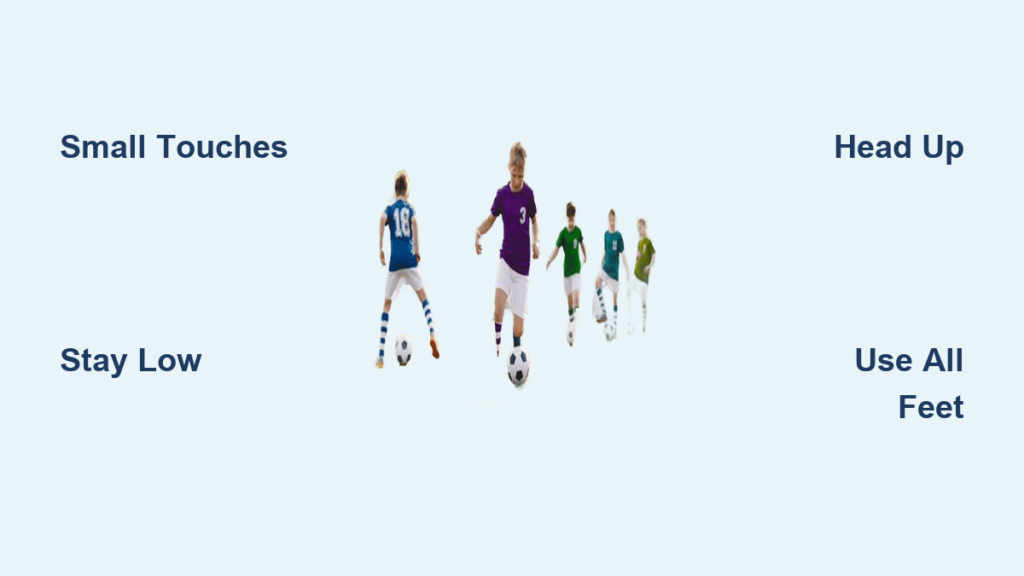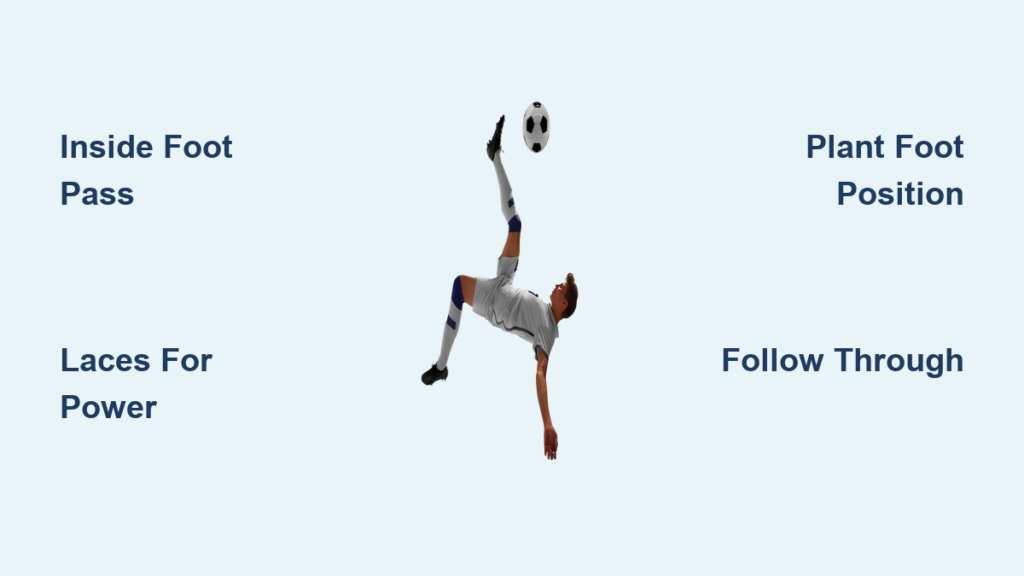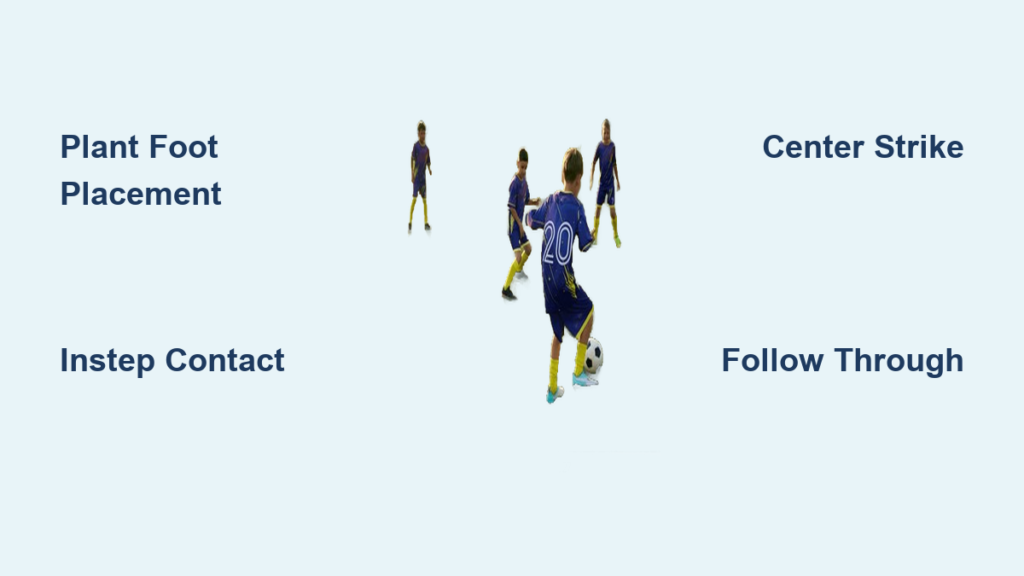
You’re on the field, the pass is coming fast and low. You reach out your foot, but instead of guiding it smoothly into space, the ball bounces off awkwardly. A defender pounces. That moment could have changed everything. Ball control in soccer isn’t just about dribbling, it’s about owning every touch, from first reception to final execution. Whether you’re a beginner or looking to sharpen elite-level skills, mastering how to control a soccer ball better starts with technique, repetition, and awareness. This guide breaks down exactly what works, from foundational moves to advanced drills, so you can keep possession, beat defenders, and play with confidence.
Master First Touch Fundamentals
Your first touch sets the tone for every play. A poor one kills momentum. A great one creates opportunity.
Control Into Open Space
Don’t stop the ball dead unless necessary. Instead, use your first touch to direct the ball away from pressure and toward your next move. This could mean cushioning a pass forward, pulling it sideways behind a defender, or flicking it into stride for a run. Imagine a defender on your back. Where would you want the ball? That’s where your touch should go.
Meet the Ball With Your Foot
Avoid sticking your leg out passively. Move into the ball’s path, match its speed, and absorb impact with a soft surface like the inside of your foot or thigh. This reduces bounce and increases control.
Stay on Your Toes
Balance is key. Keep your weight forward, knees slightly bent, and stay light on your feet. This allows quick changes in direction after receiving the ball.
Use the Right Body Part for Each Situation
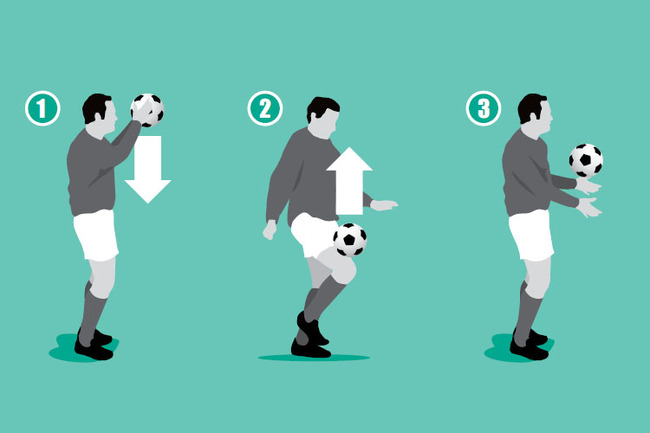
Different ball trajectories demand different control surfaces. Knowing which to use and when separates good players from great ones.
Inside of the Foot: Precision Control
The inside of your foot offers the largest stable surface for controlling ground passes and waist-height aerials. Slightly angle your foot and let the ball roll onto it. Guide it gently into space with a small push. If the ball rolls more than two feet after your touch, you did not cushion it enough.
Outside of the Foot: Quick Direction Changes
The outside of your foot excels at evading defenders and making running touches. Use a touch turn to flick the ball around a closing defender on reception. While sprinting, angle your foot to guide a trailing pass forward without breaking stride. Lionel Messi uses this constantly to shift direction in tight spaces.
Sole of the Foot: Instant Stop and Shield
For rolling balls or sudden stops, point your toes upward and place the sole on top of the ball. Pull back to absorb momentum, then immediately pivot or shield. This technique gives you instant control in congested areas.
Thigh Control: High Ball Mastery
For long passes and crosses, let the ball drop onto your thigh. Slightly bend your knee to cushion the impact, then guide it down softly before transferring to your foot. Start with low throws and increase height gradually as you improve.
Chest Control: Aerial Pass Reception
For balls above waist level, lean your torso back slightly to cushion the impact. Shift your shoulders to redirect the ball sideways or forward. After contact, gently tap the ball past a defender. A common mistake is leaning too far back, which causes loss of balance.
Head and Heel: Advanced Tools
Use your forehead, not the top of your skull, to cushion high balls. Aim to redirect, not just head the ball down. Under pressure from behind, lift your foot and flick the ball backward with your heel to escape. Only use heel flicks when you have vision, as blind attempts often lead to turnovers.
Train With Proven Ball Control Drills
Repetition builds muscle memory. These drills are used by youth academies and professionals alike.
5-Minute Ball Mastery Routine
Do this daily for rapid improvement. Each exercise lasts 30 seconds with 15 seconds rest.
• Sole drag and inside push: drag back with sole, push across with inside foot
• Inside-outside push: side-to-side control using both foot surfaces
• Square cone circles: circle cone clockwise and counter-clockwise, 15 seconds each
• V-cuts: drag toward, switch feet, push opposite direction
• Behind-leg drag: drag, push behind standing leg, continue forward
Start slow. Once your form is clean, increase speed. The goal is 100 or more touches in five minutes.
Build Skills With Wall Practice
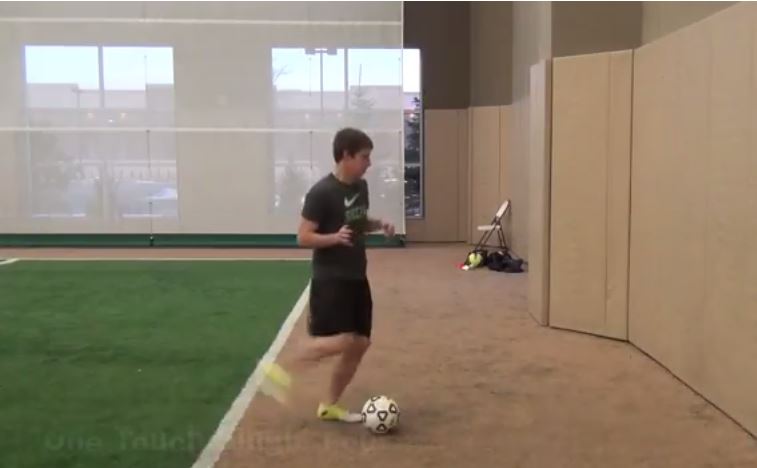
No partner? No problem. A wall is your best solo training tool.
Basic Wall Passing Drill
Stand three to six feet from the wall. Pass firmly with the inside of your foot. Control the rebound with your opposite foot. Alternate continuously for 10 to 30 minutes. Vary the power and height to practice controlling bouncing returns.
Upgrade With a Tennis Ball
Dribble or trap a tennis ball indoors. It forces precision due to the smaller size and trains ankle stability and touch sensitivity. Afterward, a regulation ball feels huge and easy to control. Get used to a tennis ball and a football will feel effortless.
Improve Dribbling Through Cones
Cones simulate real-game navigation under pressure.
Zig-Zag Cone Drill
Set five to ten cones in a line. Dribble through at increasing speeds using the inside, outside, and sole of your foot. Keep the ball within one foot of your body. Complete two minutes per round times three sets.
One-Touch Turns at Cones
Dribble to a cone, then execute a one-touch move like a Cruyff turn, drag-back, or step-over. Immediately accelerate away. Focus on sharp touches with no double-taps.
Enhance Awareness With Head-Up Scanning
Great ball control is not just technical. It is cognitive.
Scan Every Two to Three Touches
During drills, lift your head and identify a landmark like a tree, cone, or window. Call it out loud. This builds spatial awareness so you are never blind when receiving a pass. The consequence of not scanning is receiving the ball facing a defender, which traps you.
Add Cognitive Load With Reaction Lights
Use reaction lights around cones. The lights flash randomly and you dribble to the illuminated zone using a specified foot. This trains decision-making under pressure. Research supports that dual-task drills boost neural coordination.
Strengthen Weak Foot and Bilateral Control
Relying only on your dominant foot makes you predictable.
Daily Weak Foot Routine
Juggle 20 times with your weak foot. Complete 50 wall passes with your weak foot only. Run one full cone drill using only your weak foot. Practice barefoot to increase sensitivity and control.
Bilateral Juggling Challenge
The goal is 10 juggles alternating feet. Progress to 50 or more total keep-ups, incorporating thigh, chest, and head. Juggling improves foot-eye coordination, balance, and touch refinement.
Shield and Protect the Ball Under Pressure
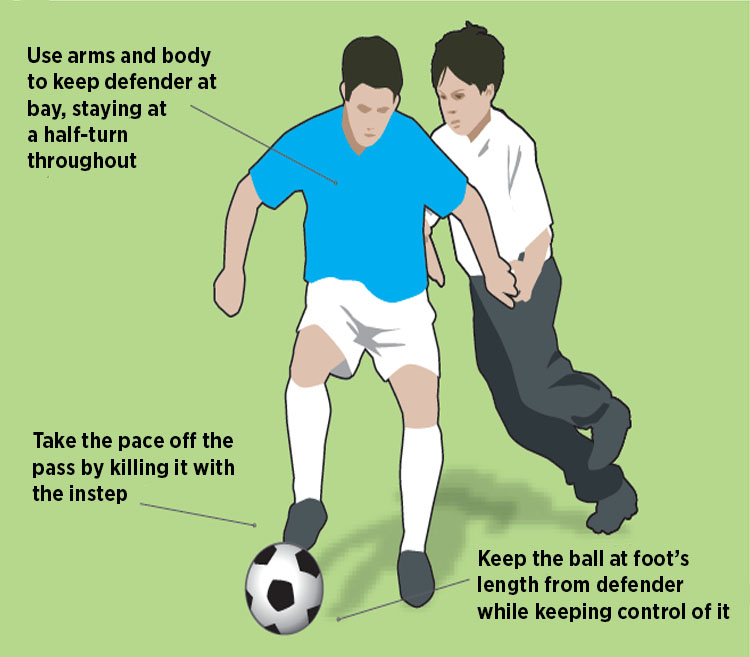
Controlling the ball means nothing if you cannot keep it.
Use Body Interposition
Position your torso between the defender and the ball. Extend your arms slightly for balance without pushing. Use your far foot to guide the ball away. You are a shield. Your body protects, your foot directs.
Lower Your Center of Gravity
Bend your knees and stay balanced. This allows quick turns and resistance to bumps. Combine with a fake, lean one way, then touch the ball the other way.
Play Futsal to Accelerate Touch Development
Futsal is soccer’s secret weapon for ball mastery.
Why Futsal Works
The smaller space forces more touches. The heavier ball builds better control under pressure. The faster decisions create sharper instincts. Futsal taught me to be much more comfortable with the ball at my feet with opposition players in close proximity.
How to Use It
Join local five-a-side games. Play one-on-one or two-on-two in tight areas. Focus on quick transitions and tight control.
Develop Core Strength for Better Balance
Strong core equals better control when challenged.
Essential Exercises
• Planks: three sets of 30 seconds each builds stability during turns
• Russian twists: three sets of 20 enhances rotational control
• Lunges with ball hold: three sets of 10 combines balance and coordination
Good ball control also means strong stabilizing muscles.
Train With the Right Equipment
Smart tools accelerate learning.
Soccer Rebounders
Models like RebounderPro and A-Champs simulate passing partners and improve reaction time. Set up in your backyard or park.
Reaction Lights
Lights flash randomly and you react by touching or dribbling to a zone. This builds cognitive and motor skill integration.
Small Balls
Use a tennis ball, golf ball, or size one to two football. The smaller size forces precision and is great for indoor practice. Juggle a tennis ball with your feet, then switch to a regulation ball. The difference is instant.
Follow a Daily Practice Plan
Consistency beats intensity. Do a little every day.
Sample 35-Minute Routine
Five minutes for ball mastery drills. Ten minutes for wall passing, alternating feet. Ten minutes for cone dribbling with zig-zags and turns. Five minutes for juggling, dominant and weak foot. Five minutes for freestyle dribbling, visualizing defenders.
Weeks one and two focus on form. Weeks three and four add head-up scanning and small balls. Week five and beyond introduces lights and futsal play.
Think Like a Problem-Solver
Ball control is not just movement. It is decision-making.
Dribbling Equals Real-Time Problem Solving
Every touch answers a question. Where is the defender? Where is the open space? What is your next move? Dribbling is not just about moving the ball, it is about solving problems.
Create Space With Feints
A fake shot means pretending to shoot, then taking a controlled touch across. A fake pass shifts shoulders, then pushes the ball the opposite way. A sombrero flick is an overhead toe flick to beat a closing defender, but use it sparingly. High-reward moves need space and confidence. Do not force them.
Make the Ball Your Constant Companion
The best players treat the ball like an extension of their body.
Dribble Everywhere
Around the house, in the driveway, through hallways. Dribble a ball everywhere you go. Eventually it gets easier turning corners and avoiding furniture.
Mental Rehearsal
Even without a ball, visualize moves and replay successful touches. Plan game scenarios. Mental practice activates the same neural pathways as physical repetition.
Final Thoughts on Mastering Soccer Ball Control
Mastering how to control a soccer ball better comes down to a few core truths. Touch quality beats power. Repetition beats talent. Awareness beats speed. Consistency beats intensity. The players who dominate games are not always the fastest. They are the ones who never lose possession. They receive under pressure, turn smoothly, and make the right choice instantly.
Start today. Grab a ball. Hit the wall. Do five minutes of mastery. Juggle 10 times. Lift your head. Do it again tomorrow and the day after. The more touches you get, the more natural everything becomes. Control the ball, control the game.
Frequently Asked Questions About Soccer Ball Control
What is the most important skill for ball control in soccer?
First touch is the most important skill. Your first touch sets the tone for every play. A great first touch directs the ball into space away from pressure, creating opportunity. A poor first touch kills momentum and gives the opponent a chance to recover.
How can I improve my first touch quickly?
Practice wall passing for 10 to 30 minutes daily. Vary the power and height of your passes to train controlling bouncing returns. Use a smaller ball like a tennis ball during practice. The smaller size forces precision, and when you switch to a regulation ball, it feels much easier to control.
Should I focus on my weak foot?
Yes, bilateral proficiency is essential. Train with both feet daily to increase unpredictability and fluidity. Spend five minutes per day on weak foot juggling, wall passes, and cone drills. Weak foot training makes you harder to defend and improves overall coordination.
How often should I practice ball control?
Consistency matters more than intensity. Aim for 15 to 35 minutes daily. A short daily session builds muscle memory better than occasional long practices. Even five minutes of focused ball mastery drills per day produces noticeable improvement over weeks.
Does ball control help in game situations beyond dribbling?
Absolutely. Ball control applies to receiving passes, shielding under pressure, winning 50-50 balls, and transitioning from defense to attack. Every touch matters. Players with superior control maintain possession, create scoring opportunities, and dominate their positions.
What is the best drill for improving close control?
The five-minute ball mastery routine works best. It includes sole drags, inside-outside pushes, cone circles, V-cuts, and behind-leg drags. These exercises develop touch on all foot surfaces and build the muscle memory needed for tight-space control.