Getting bumped off the ball when you’re under pressure can be frustrating, especially when it happens repeatedly. Whether you’re a smaller player, younger than your opponents, or just building strength, knowing how to not get pushed off the ball in soccer is a game-changer. It’s not about being big or strong. It’s about using your body smartly, positioning early, and training the right skills.
Every player gets dispossessed sometimes, even professionals. But the best ones minimize it by mastering ball retention under pressure. This isn’t luck. It’s technique, strength, and confidence working together. With the right approach, you can hold your ground against bigger, stronger defenders and keep possession when it matters most.
Initiate Contact Before the Defender
Don’t Wait for the Push
One of the biggest mistakes players make is waiting passively for the ball and letting the defender make the first move. By the time contact comes, you’re already off balance and reacting instead of controlling the duel.
Instead, initiate contact early. As the pass arrives, use your hips, back, or shoulder to engage the defender before they can establish dominance. This small shift puts you in control of the physical battle.
When you make first contact, you disrupt the defender’s timing. You establish body position between the ball and the opponent. You force them to react to you, not the other way around.
Even if you’re smaller, getting that half-step in gives you a huge advantage. And if they try to shove you from behind after you’ve established position? That’s a foul, and you’ve just earned a free kick.
Use Body Angles to Block Access
It’s not just about strength. It’s about smart angles. Turn your body slightly so your back and hip form a wall between the ball and the defender.
Do this to protect the ball effectively:
• Present a wide base with your legs
• Angle your torso to protect the ball without shielding it completely
• Keep your arms out slightly for balance and to create space
This isn’t aggression. It’s intelligent positioning. The defender has to go around or through you, and either way, you’ve bought time to make your next move.
Receive the Ball on Your Back Foot
Shield Instantly After Receiving
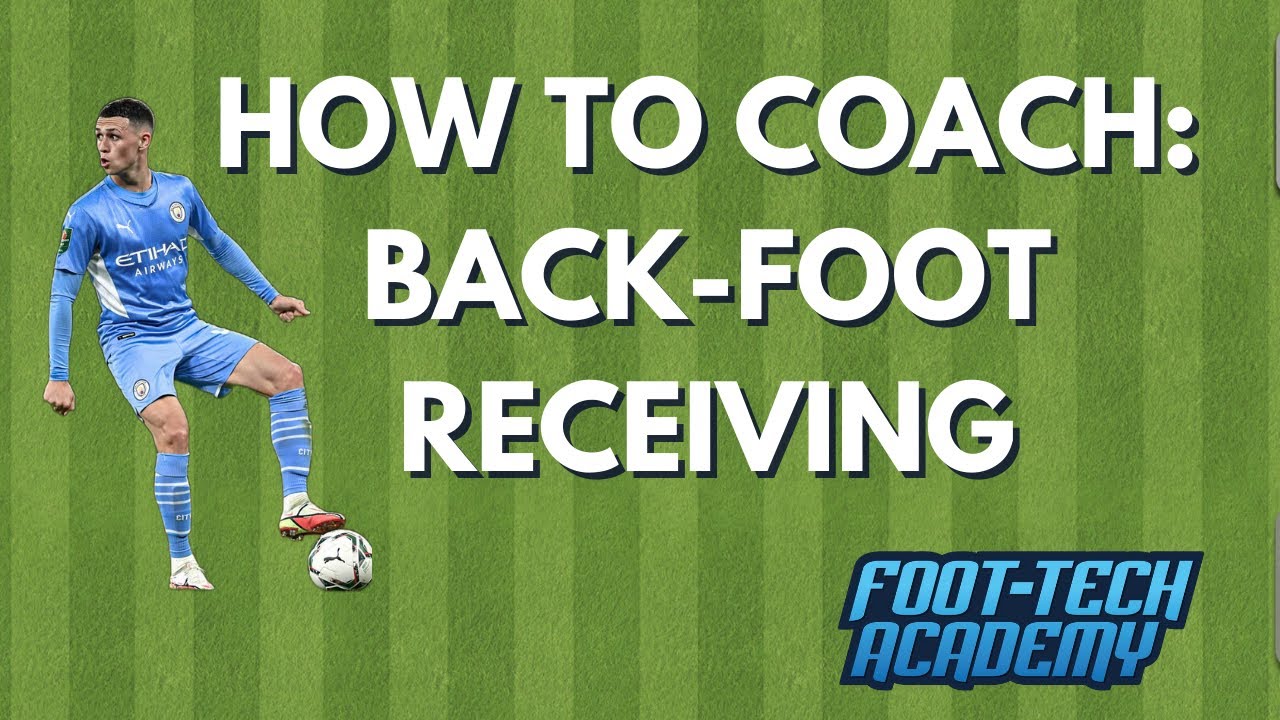
One of the most effective ways to avoid being pushed off the ball is receiving it with your back foot, the foot farthest from the defender.
This works because it naturally turns your body into the defender, shielding the ball. It positions you to roll away from pressure or spin into space. It keeps the ball protected during the critical first seconds after receiving.
Imagine a pass coming from behind or the side. If you step toward it with your near foot, the ball is exposed. But if you receive it with your back foot, your body moves between the ball and the opponent, automatically creating a barrier.
Practice this in drills until it becomes instinctive. Over time, you’ll start recognizing passing lanes where shielding is possible before the ball even arrives.
Turn Away From Pressure
Once you’ve received on your back foot, pivot quickly to turn away from the defender. Use a simple outside-of-the-foot turn or a drag to shift direction.
Key cues for turning:
• Feel the defender’s pressure on your back
• Drop your shoulder slightly in the direction you want to go
• Use your arms for balance and leverage
This move is second nature to players like Messi and Sterling. Watch how they receive under pressure. They’re already turning or shielding within a second of contact.
Maintain a Low, Balanced Stance

Bend Knees, Lower Center of Gravity
A high, upright stance makes you easy to knock over. To resist pushes, get low.
Do this to improve your stance:
• Bend your knees deeply
• Keep your back straight, not hunched
• Stay on the balls of your feet, never flat-footed
• Keep your head up to see passing options
This athletic stance does three things. First, it lowers your center of gravity, making you harder to move. Second, it improves balance so you don’t topple with light contact. Third, it readies you for quick movements, whether that’s a step, turn, or pass.
Think of a wrestler or rugby player in a ready position. They’re not standing tall. They’re coiled, balanced, and prepared for impact.
Widen Your Base for Stability
Stand with your feet shoulder-width apart or slightly wider. This gives you a stable platform to absorb force.
A wide base helps in several ways. If the defender pushes from the side, your wide base prevents lateral collapse. If they try to squeeze past, your stance blocks their path. You can shift weight smoothly to either leg for quick turns.
This isn’t rigid. Your stance should be dynamic. But starting wide and low gives you the foundation to withstand pressure.
Use Your Whole Body to Shield
Hips, Glutes, and Torso Are Shields
Most players think only about their feet when protecting the ball. But the real power comes from using your entire body.
Focus on these areas for effective shielding:
• Hips: Push back with your hip to create space
• Glutes: Squeeze them to stabilize your pelvis and generate backward force
• Torso: Lean slightly into the defender to neutralize their push
• Arms: Use them subtly for balance. Don’t flail, but don’t lock them either
Yaya Touré credited glute strength for surviving the physical Premier League after moving from Spain. He trained specifically to improve his ability to absorb contact and hold off defenders.
Strong glutes help you push back and create space, critical when you have limited time on the ball.
Avoid Arm Extensions That Draw Fouls
Using your arms is allowed for balance, but extending them to push or hold the defender is a foul.
Tips for staying legal:
• Keep elbows in
• Use arms like wings for balance, not levers
• Focus on hip and core pressure instead
Referees watch for shirt-pulling or arm-jamming. Stay legal by relying on body positioning, not force.
Build Strength to Resist Contact
Squat and Deadlift Weekly
Strength isn’t optional if you want to win physical battles. Two exercises deliver the biggest return.
Do these exercises consistently:
• Back squats: Build leg drive, knee stability, and low-center balance
• Deadlifts: Strengthen hamstrings, glutes, and lower back, key for resisting backward force
Do them one to two times per week with proper form. Start light, progress gradually. Even bodyweight versions help younger players build foundation.
Squat hard at least once per week. Get your legs strong. This will give you a lower center of gravity and will tremendously help your stability.
Target Glutes and Core Functionally
Forget endless crunches. Train your core and glutes for real movement.
Best exercises for ball retention:
• Hip thrusts: Build glute power for pushing back
• Planks with shoulder taps: Improve anti-rotation core strength
• Banded lateral walks: Strengthen hips for lateral stability
• Russian twists with medicine ball: Enhance rotational control
Do these two to three times per week as part of warm-ups or strength circuits.
Train Movement Literacy, Not Just Core
Simon Breakell, S&C coach, warns that isolated core work isn’t the answer. Instead, focus on movement literacy, how your body moves under load and pressure.
Train these movement patterns:
• Lunges: Build unilateral leg strength and joint stability
• Bounds and hops: Improve landing mechanics and explosive balance
• Rotational med ball throws: Develop trunk coordination
• Sprint starts: Teach acceleration under tension
These movements build functional strength, the kind that helps you stay on your feet when jostled.
Focus on movement literacy is far more important to their long term athletic development than core workouts.
Play Smart: Tactical Positioning Wins Duels
Avoid Unwinnable Battles
Don’t pick fights you’ll lose. If a defender is clearly stronger and faster, use movement to avoid engagement.
Instead of engaging physically, do this:
• Take the ball to space
• Use quick turns to escape
• Pass early if pressure is overwhelming
Being smart isn’t weak. It’s strategic. Use your speed to bypass, not your body to battle.
Be smart and don’t put yourself in positions or seek physical confrontations that you will not win.
Invite Foul from Behind
Here’s a pro move. Establish position first, then let the defender push from behind.
Once you’re side-on or back-on and you’ve got body contact, stay balanced. Don’t overreact. Let them shove, then go down.
If you’re already in position, a push from behind is a foul. You’ve just earned a free kick and taught the defender not to touch you next time.
This works especially well in midfield battles or when receiving under pressure near the touchline.
Train With Physical Drills
1v1 Shielding Drill
This drill builds confidence and teaches real-time positioning.
Setup involves a ten by ten yard grid with one attacker and one defender. No tackling is allowed, only body contact.
Rules are simple. Defender applies steady pressure, leaning and bumping. Attacker must shield for five to ten seconds. Use low stance, back foot, and body angles. Switch roles after each round.
Coaching points emphasize encouraging attackers to lean into the defender. Reinforce use of hips and arms for balance. Progress from light contact to full engagement.
Back-Foot Reception Drill
Set up a line of cones with a server standing to the side. A shadow defender applies light pressure.
The execution requires the server passing diagonally. The player receives with back foot, turns away, and dribbles forward. Emphasize body shielding immediately on contact.
Repeat eight to ten times per side using both feet.
Shielding on Command
Setup involves players dribbling freely in a twenty by twenty grid. A few taggers without balls apply light pressure.
Execution is straightforward. Coach blows whistle, all dribblers stop and shield. Taggers try to knock the ball loose without tackling. Hold for five seconds, then resume.
Progressions include adding time limit, requiring shielding with weak foot, or allowing slight contact.
This builds reaction, balance, and instant body positioning.
Develop Mental Toughness
Overcome Fear of Stronger Opponents
Many young players freeze up when facing bigger defenders. They shy away, turn the wrong way, or rush decisions.
This isn’t weakness. It’s fear, and it can be overcome.
Young players may feel scared, apprehensive, or intimidated by physically dominant opponents.
Solution. Normalize contact in training. Add bumping, jostling, and body checks to drills. Make physical play routine, not scary. Celebrate players who hold their ground.
Over time, players learn that contact is part of the game and they can handle it.
Build Confidence Through Repetition
There’s no substitute for repetition under pressure.
The more you practice shielding, the more natural it feels. The less you fear contact. The better your instincts become.
Confidence comes from knowing you’ve succeeded before. Every time you hold off a defender in training, you build that belief.
Age-Appropriate Development Tips
For Younger Players
Focus on fun, movement, and skill, not strength.
Key priorities for young players:
• Teach basic shielding positions
• Use games like freeze tag to practice sudden stops and body blocks
• Emphasize quick footwork over physical battles
Avoid over-coaching strength. Let growth happen naturally.
For Teens
Now’s the time to build strength and athleticism.
Focus on these areas during teen years:
• Weekly strength training, bodyweight or light weights
• Sprinting and landing mechanics
• Playing against older, stronger players
Physical maturity accelerates between fourteen and eighteen. Train now to maximize gains.
Learn From the Pros
Raheem Sterling: Master of Hip Shielding
Sterling doesn’t rely on size. He uses precise body angles and subtle hip checks to block defenders and create separation.
Watch how he receives with back foot. He turns his hip into the defender. He uses quick footwork to escape.
He makes physical play look effortless because it’s technically sound.
Lionel Messi: Body Control Genius
Messi is often surrounded by bigger players. Yet he never loses the ball easily.
His secret is putting his body between ball and defender within seconds of receiving. He uses low center of gravity and rapid turns. He combines strength, agility, and timing.
Yaya Touré: Strength Meets Skill
Touré transformed his game by training his glutes and posterior chain to handle Premier League physicality.
He didn’t just get stronger. He trained for football-specific stability.
His advice. Build strength that supports ball control, not just power.
Key Takeaways for Holding Your Ground in Soccer
You will never stop every push, but you can drastically reduce dispossession. Technique, strength, and mindset are your tools. Train them consistently, play smart, and own your space on the field.
There will be no point in your life you will never get pushed off the ball. Aim for getting pushed off less but understand it’s just going to happen regardless of how strong you are.
Keep working. Keep playing. And keep the ball.
Frequently Asked Questions About Not Getting Pushed Off the Ball in Soccer
How can I stop bigger players from pushing me off the ball?
Use technique over strength. Receive the ball on your back foot, get low with bent knees, and turn your body so your hip and back block the defender. Initiate contact before they can push you. This puts you in control of the duel.
What is the best stance to avoid being knocked off the ball?
Bend your knees deeply and stay low. Keep your weight on the balls of your feet with feet shoulder-width apart. This lowers your center of gravity and makes you much harder to move.
Does strength training really help with ball retention?
Yes. Squats and deadlifts build leg strength and posterior chain development. Strong glutes specifically help you push back and create space. Train legs one to two times per week for best results.
Should I try to avoid physical confrontations entirely?
Be smart about when to engage. Don’t seek fights you can’t win. Use movement, quick turns, and passing to avoid stronger defenders when possible. But when you do engage, use proper technique to win the duel.
How do I build confidence against stronger opponents?
Play against stronger players as much as possible. Normalize contact in training so it feels routine. Every successful shield builds confidence. The more you practice, the less you fear the physical battle.
Can I legally draw a foul when being pushed?
Yes. Establish position first, then let the defender push from behind. If you’re already in position and they push, that’s a foul. You’ve just earned a free kick.